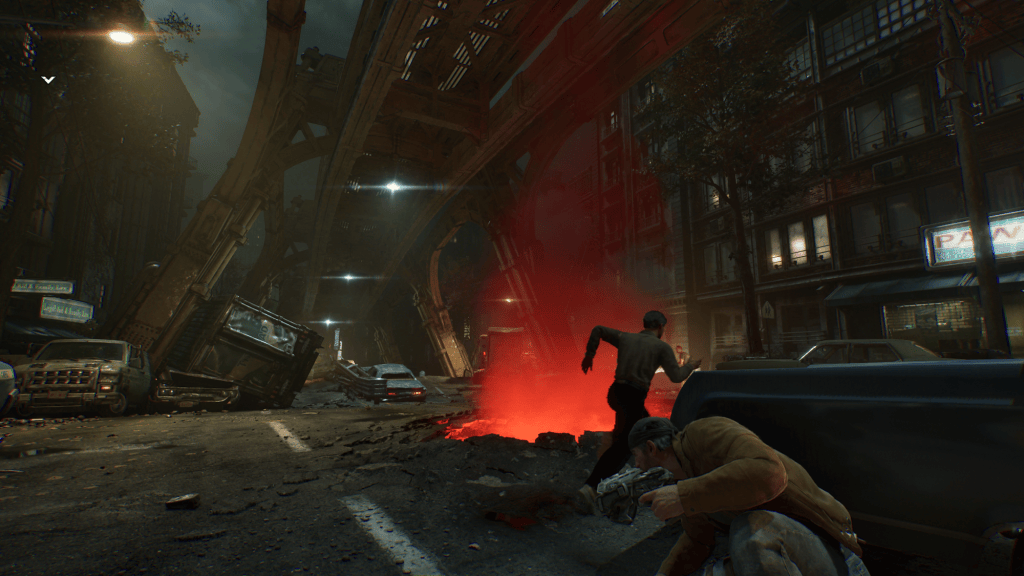
In anticipation of the upcoming reveal of Gears of War: E-Day, I finally played through Gears of War: Reloaded. This is the third way I’ve played through the Gears 1 campaign, and while it looks and runs great, it has some issues, like the Ultimate Edition before it (especially on PC).
The final game from Pandemic Studios is a memorable one. Inspired by the life of William Grover-Williams, The Saboteur is an open-world sandbox WWII game, where you work to liberate Paris from Nazi occupiers.
In June of 2006 I got my Xbox 360, and my first achievement.
Roughly 20 years later, I just hit 100,000 achievement points. This isn’t a massive accomplishment or anything (I have friends with two or three times that amount), but it feels like a milestone to me, and a time to reflect on my history and future with the platform.
Forza Horizon 6 is the first time I’ve ever preordered a digital “premium edition” of a game. That’s right, I spent over $100 on a promise. A promise of not only a great game, but also high quality post-launch support. What’s even more wild? I made this preorder BEFORE reviews dropped.
The reason I was able to take this risk was complete and utter confidence in developer Playground Games. I have loved every single game in the Forza Horizon series, and this edition being set in Japan was all I needed to know. After spending pretty much the entire weekend with the game, I’m happy to honestly report that my confidence in Playground was not misplaced.
In the past few months, I’ve become pretty disillusioned with just about everything having to do with video games. From the unrelenting circular discourse (pricing! difficulty! boycotts! emulation! indie vs. AAA!) to AI everywhere,ruining everything, it seems like there’s never been a worse time to care about video games. On top of all that, I tried a bunch of well-regarded modern games, from indies to AA to AAA, and none of them did anything for me. With all this in mind, I did the only thing that made sense, which was to step away.
Best known for being recalled and having all remaining copies destroyed, X-Men: Destiny is the final chapter in Silicon Knights’ fall from grace. Beyond the lawsuits and mismanagement of a once promising studio, the game was met with middling reviews and consumer indifference. As was the case with Silicon Knights’ previous disappointment, Too Human, X-Men: Destiny overpromised and underdelivered, specifically around player choice. Having finally given it a proper go, I went in with zero expectations and came out pleasantly surprised, but not exactly impressed.
After playing through the messy but fun Quantum of Solace, my curiosity around 360-era Treyarch increased. I found a cheap copy of Call of Duty 3 at a local game store and decided to give it a go.
I’m a casual Apple user/fan. Which feels somewhat ridiculous to say considering that they are easily the tech company I give the most money year after year. Every day I use multiple Apple devices and services: iPhone 17 Pro, Series 11 Apple Watch, AirPods Pro, an M4 MacBook Air (my work computer), and Apple Music and TV+ subscriptions.
Treyarch’s adaptation of the first two Daniel Craig Bond films makes perfect sense in the context of the games they were developing at the time. In 2006 they released Call of Duty 3, in 2007 the tie-in for Spider-Man 3, and a week after Quantum of Solace, they dropped Call of Duty: World at War. Obviously the studio had multiple teams working on these projects, but licensed games and Call of Duty were what defined the studio in 2008. Which explains pretty much everything about Quantum of Solace.