Before we begin here is a brief preemptive FAQ:
Q: “What makes a game eligible?”
A: Any game developed by Sega on Sega hardware.
Q: “What constitutes Sega hardware?”
A: Hardware developed / sold by Sega. This includes their primary consoles, obviously, but also their arcade hardware and mini-consoles. So for example, Virtua Fighter 5: Final Showdown would count for this list because it was an arcade release, but Virtua Fighter 5 R.E.V.O. World Stage would not. It seems kinda arbitrary, but it’s necessary to keep the list from spiraling out of control.
Q: “Where is <game>??”
A: Either I haven’t played enough of it or it just didn’t make my personal top-100.
Q: “Why does Sonic Chaos say Game Gear? I played it on Master System!”
A. The platforms listed here are the ones I played the game on. I don’t want to vouch for versions of games I haven’t played!
Q: “What’s the formula for determining where a game is ranked?”
A: There isn’t one. It’s literally just how I feel about the game.
Q: “I stopped reading after <game> was above/below <game>.”
A: Cool, that’s not a question.
Q: “You just put <game> at <number> to get clicks.”
A: Again, not a question. But this site is not monetized in any way; I actually pay to keep it running so these hypothetical “clicks” mean nothing to me (also, I put the entire list in one post to avoid clicks; sorry if it loads like shit).
Q: “Will this list change?”
A: Inevitably. It changed significantly at least a dozen times in the week I took to write it. I plan to revisit it sometime next year, but we’ll see.
OK, with all that out of the way,
the list begins with Chaos.
100. Sonic Chaos (Game Gear / Aspect / 1993)
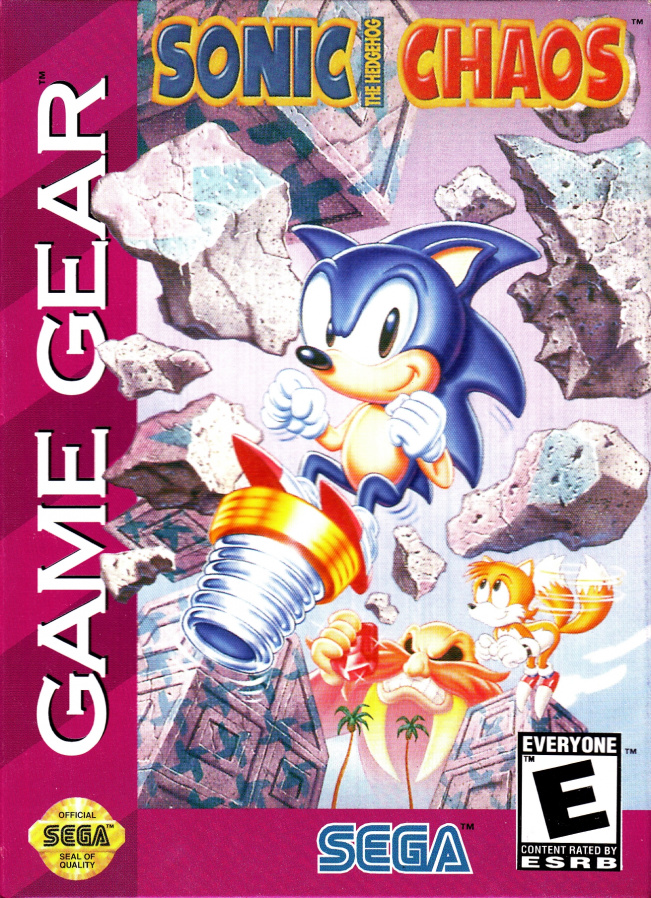
Short and simple, Chaos is solid Sonic platformer that could serve as a decent introduction to the series.
99. Star Wars Arcade (Sega Model 1 / AM3 / 1993)
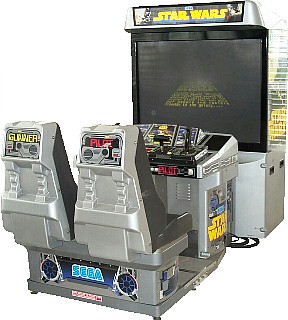
Picking up where Atari’s Star Wars arcade games left off, this early polygonal space shooter was very impressive for the time. The 32X port is an admirable effort, but can’t match the arcade original.
98. Digital Dance Mix Vol. 1 Namie Amuro (Saturn / AM2 / 1997)
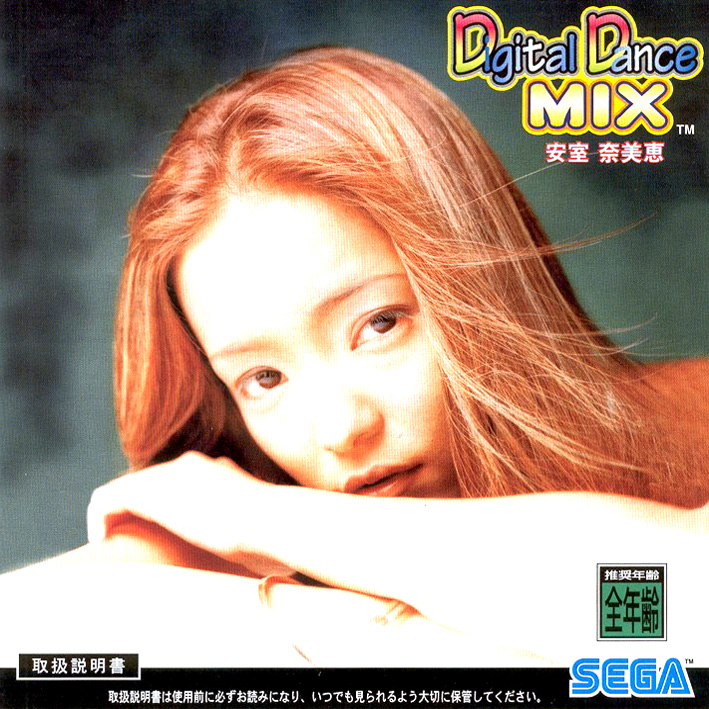
This Yu Suzuki-produced Saturn release is a multimedia celebration of pop star Namie Amuro. The polygonal dance animation is incredibly impressive and one of the minigames is a an early attempt at the rhythm game genre. A charming, and lowkey important release from AM2.
97. Beach Spikers: Virtua Beach Volleyball (NAOMI 2 / AM2 / 2001)
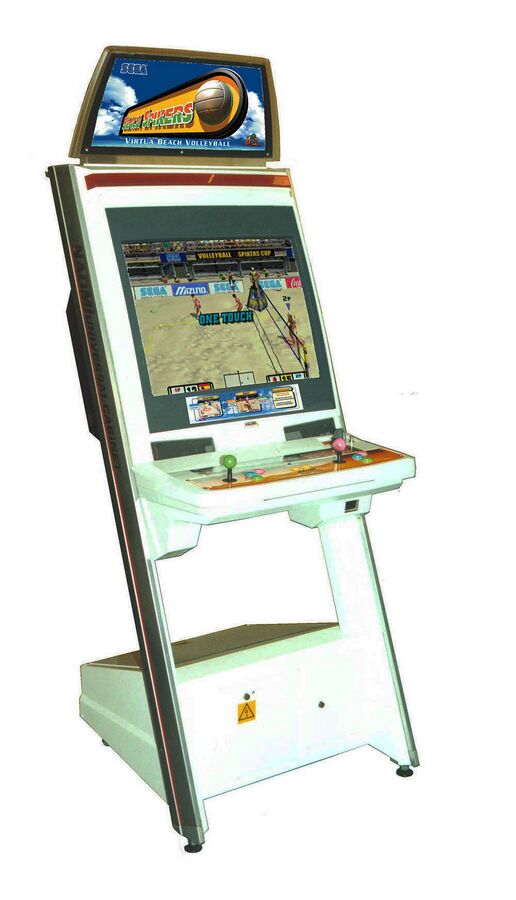
An earnest pick up and play take on the sport, Beach Spikers was somewhat overshadowed by Dead or Alive Xtreme Beach Volleyball. It’s a shame, because Beach Spikers has that Sega arcade sports magic that makes it both accessible and replayable.
96. Flicky (System 1 / R&D 1 / 1984)
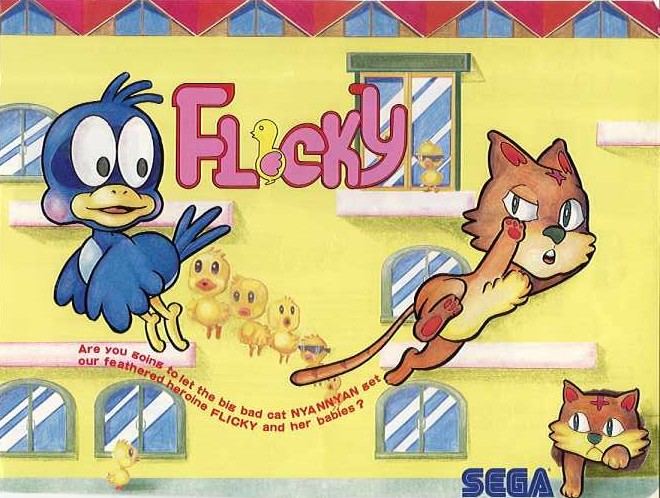
Sega’s take on Mappy is a simple yet addictive game of risk and reward. I first discovered Flicky through the (excellent) Genesis port, which was somewhat unimpressive compared to its contemporaries in 1991, but the strength of the core gameplay loop shone through.
95. Vampire: Master of Darkness (Game Gear / SIMS / 1993)

Master of Darkness is blatantly derivative of Castlevania in both aesthetic and gameplay, but that’s hardly a bad thing in my opinion. It’s a bit easier than most of the games in Konami’s classic series, but again, not a bad thing, especially for a portable game on a system with infamously poor battery life.
94. G-LOC: Air Battle (Y Board / R&D 8 / 1990)

While I’ve never had the chance to play the R360 version (pictured), I enjoy the original arcade game quite a bit. The way G-LOC switches between first and third person perspective remains incredibly cool today.
93. Zillion (Master System / R&D 2 / 1987)
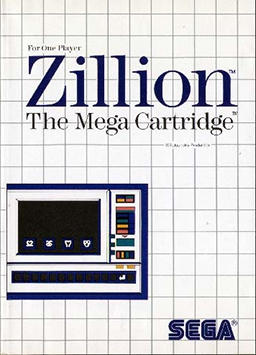
A sci-fi take on Impossible Mission, Zillion was part of a multimedia project that included an anime and some toys. It’s an enjoyable and rewarding non-linear adventure, but definitely play on a device with save states if you plan to see it through.
92. ChuChu Rocket! (Dreamcast / Sonic Team / 1999)
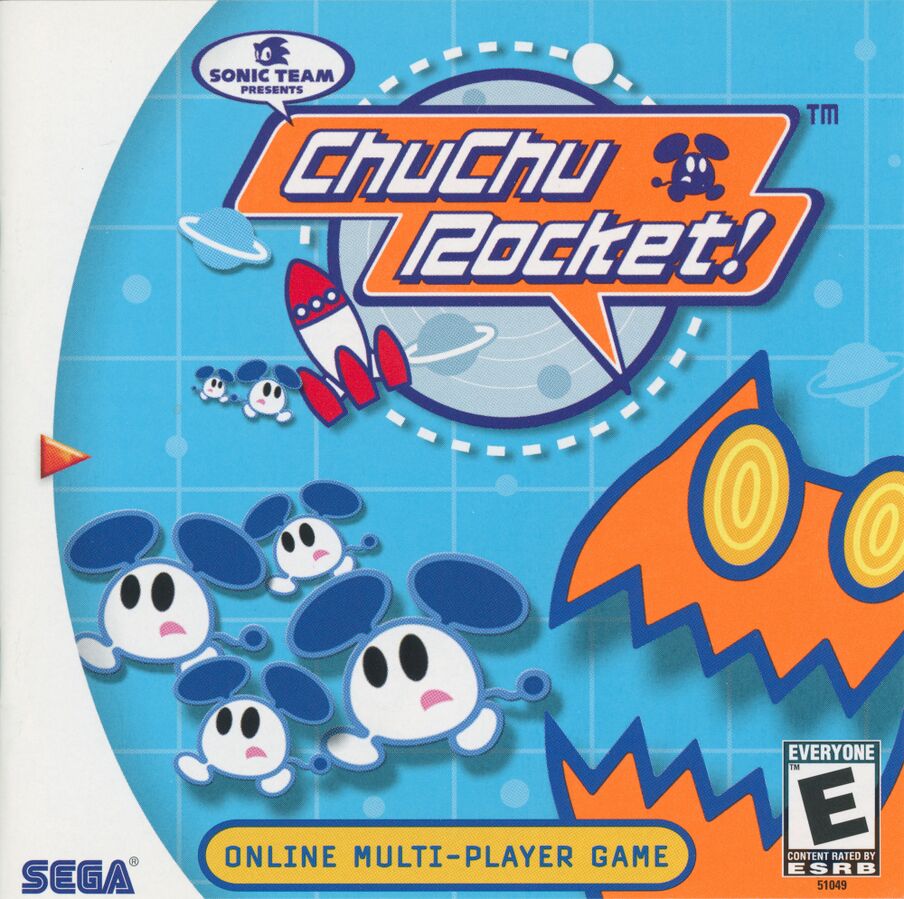
A tense and chaotic puzzle game, Chu Chu Rocket was an early online release for the Dreamcast, and played a role in Sonic Team’s development of Phantasy Star Online. An essential part of any 4-player local multiplayer Dreamcast party.
91. Ecco: The Tides of Time (Sega CD / Novotrade / 1994)

Slightly more approachable than the original, Tides of Time is one of the most gorgeous games of the era. The Sega CD version’s stirring soundtrack does most of the heavy lifting, but the surreal undersea visuals go a long way as well. A profoundly beautiful audio visual experience.
90. Neon Genesis Evangelion: Digital Card Library (Saturn / Sega Digital Media / 1997)
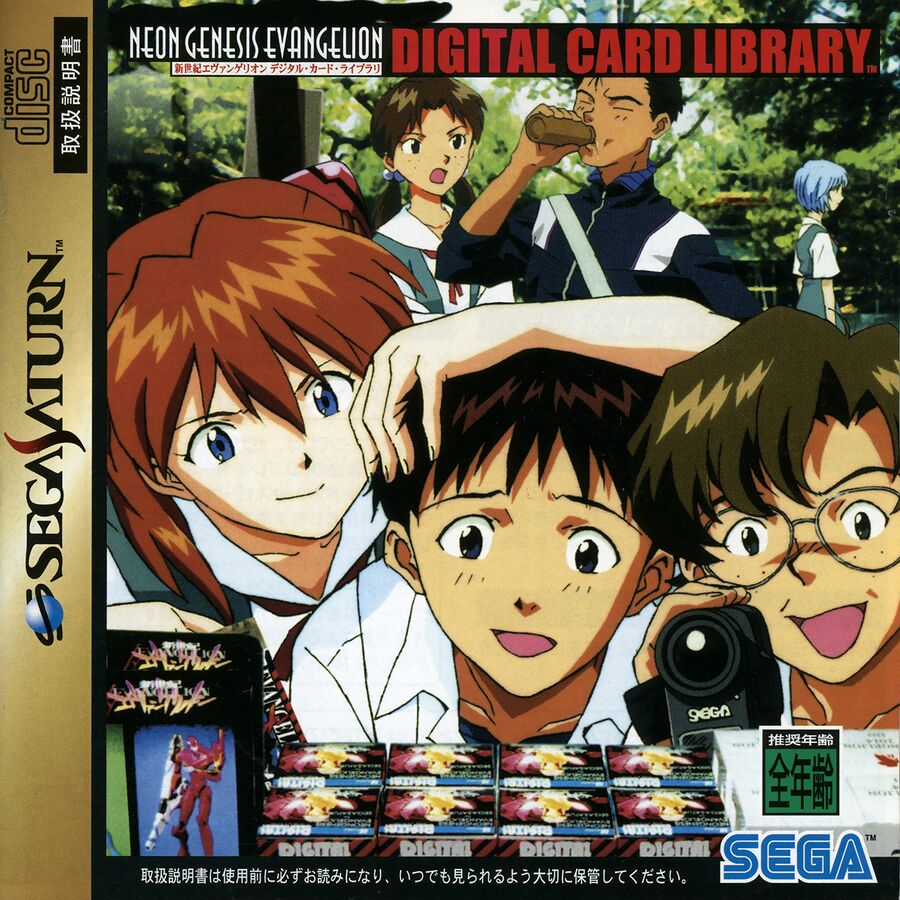
A collection of serviceable minigames, the true appeal of the game is unlocking and collecting the cards. This was one of my earliest imports and my primary way of interacting with the series outside of my collection of two-episode VHS tapes.
89. Clockwork Knight (Saturn / Team Aquila, CS1, CS2 / 1994)
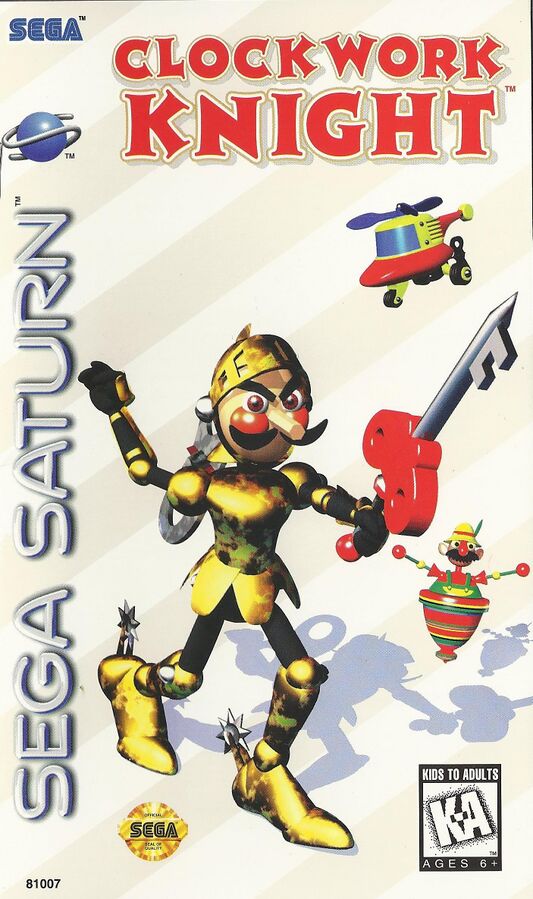
A freaky toy-based platformer that predated the first Toy Story film by a few months. It’s a bit overwhelming visually, but still a good time.
88. Space Harrier II (enhanced) (Sega Genesis Mini 2 / R&D 2, M2 / 2022)
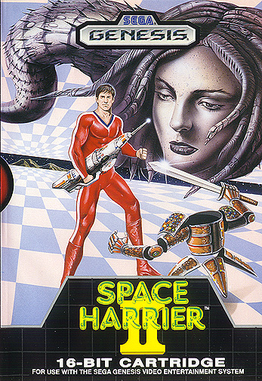
This sequel to the arcade classic was a visually impressive Mega Drive launch title, but not terribly fun to play due to the slow and choppy movement. In 2022 M2 released an enhanced version on the Genesis Mini 2, which smoothed everything out and gave players a chance to appreciate the game’s strengths (visuals, soundtrack, and classic Space Harrier gameplay).
87. Baku Baku (Saturn / AM3 / 1995)

It’s similar to countless other falling-block puzzle games, but the strange presentation and animal theme give Baku Baku a unique identity.
86. The Typing of the Dead (Dreamcast / R&D6, Smilebit / 2000)
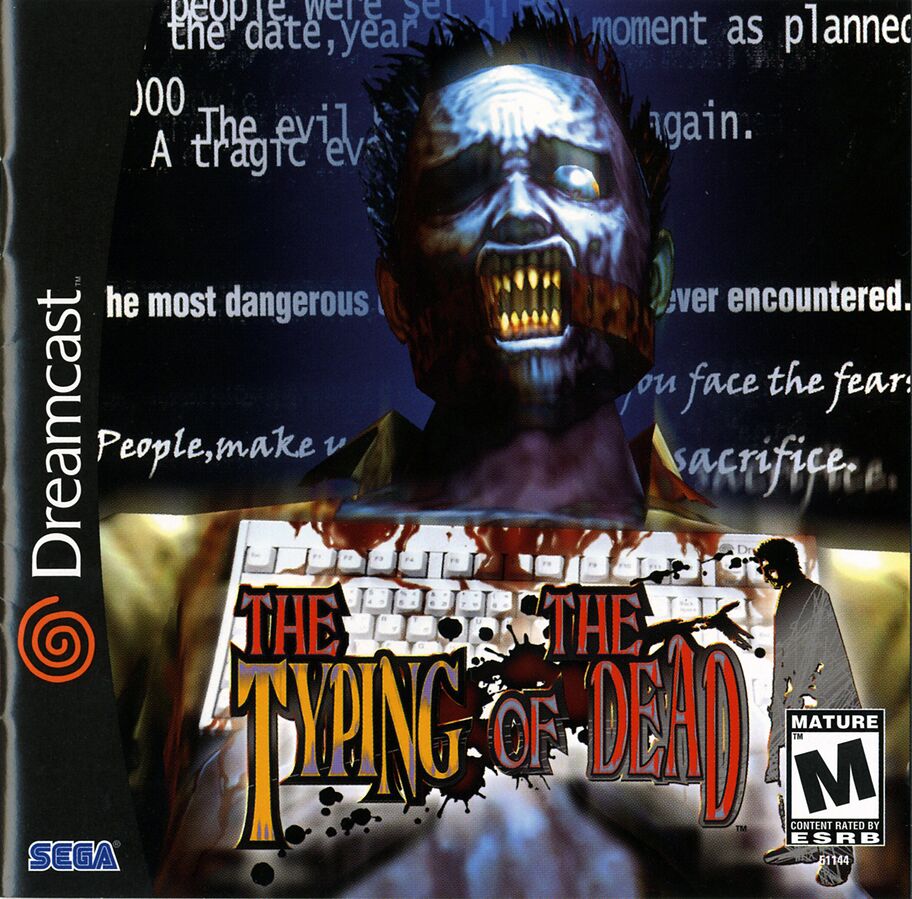
Typing of the Dead takes the foundation of House of the Dead 2 and puts you under pressure to type strange phrases as quickly as possible to avoid having your brains eaten. It works better than you’d expect.
85. Spider-Man: The Videogame (System 32 / R&D1, AM1 / 1991)
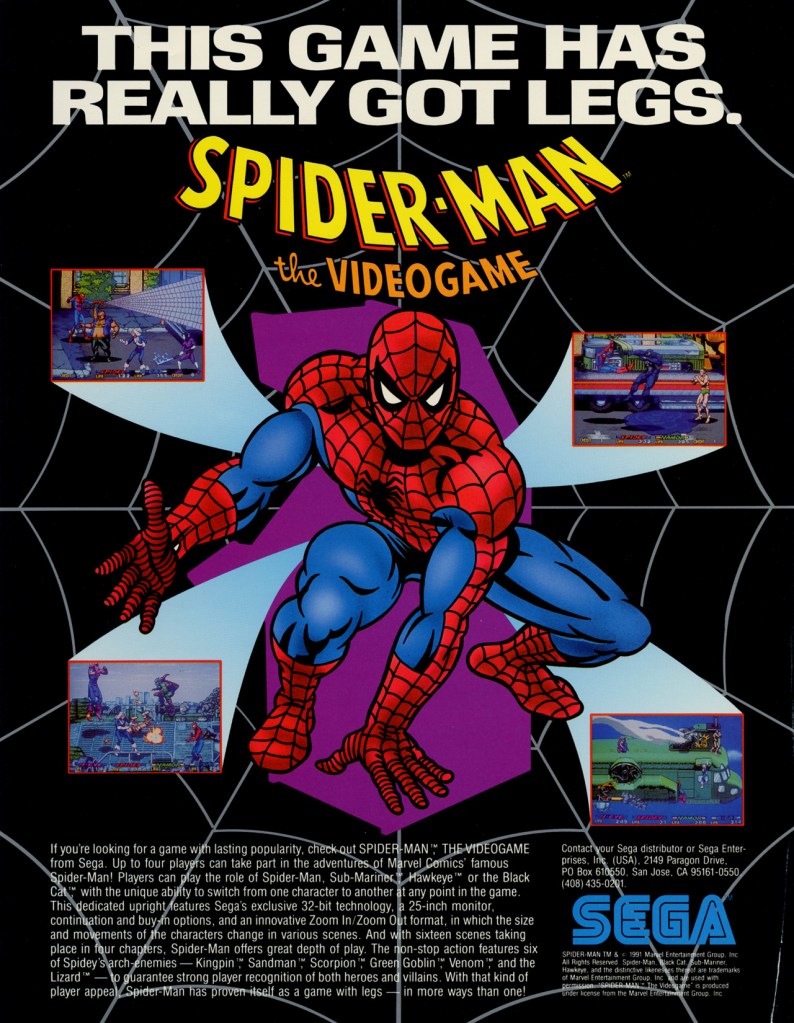
A 4-player brawler that feels overshadowed by Konami’s X-Men. Like X-Men, Spider-Man never received a contemporaneous home port. It’s a shame, because the game is a blast.
84. Virtua Fighter 3tb (Model 3 / AM2 / 1997, 2023)
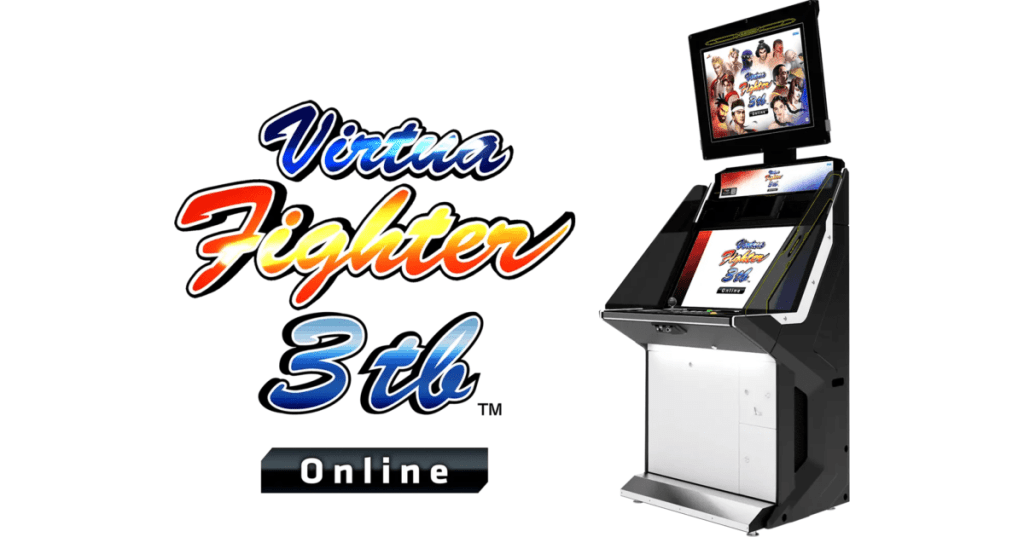
As close to a black sheep of the series as any game can get, the team battle variation of VF3 didn’t do much for the series in the West, where flashier fighters like Soulcalibur, Tekken 3, and Dead or Alive 2 reigned in the arcades and at home. Unsurprisingly, the game developed a strong competitive scene in Japan, and Sega released a new, online version in arcades in 2023. The team elements and varied terrain elements make 3tb a unique entry in a legendary series.
83. Altered Beast (Genesis / Team Shinobi, R&D2 / 1988)
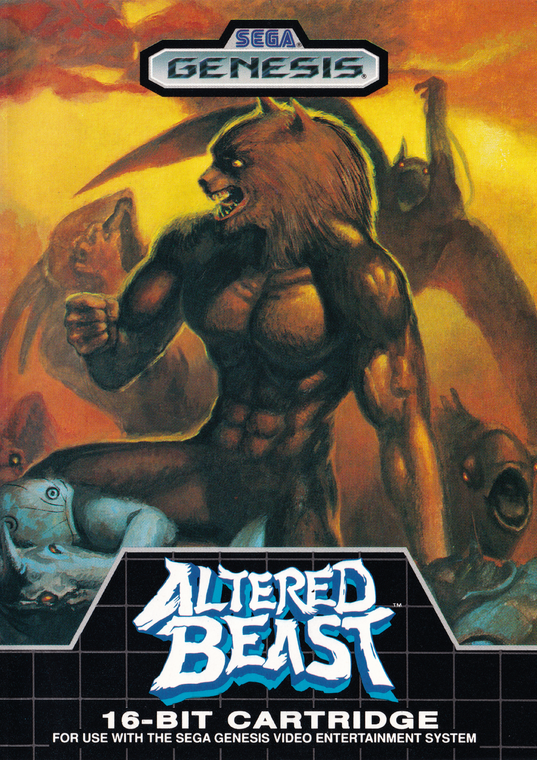
Musicians from Matthew Sweet to King Gizzard & the Lizard Wizard were inspired by Altered Beast’s story of hidden animalistic rage within man, and enshrined the game in song. I was inspired by the giant sprites and sick heavy metal visuals, and it made me want a Genesis. It’s a divisive port of a divisive arcade game, but I still love the vibe, and once you adjust to the game’s rhythm, it can be a satisfying experience.
82. Sonic the Hedgehog (Game Gear / Ancient / 1991)
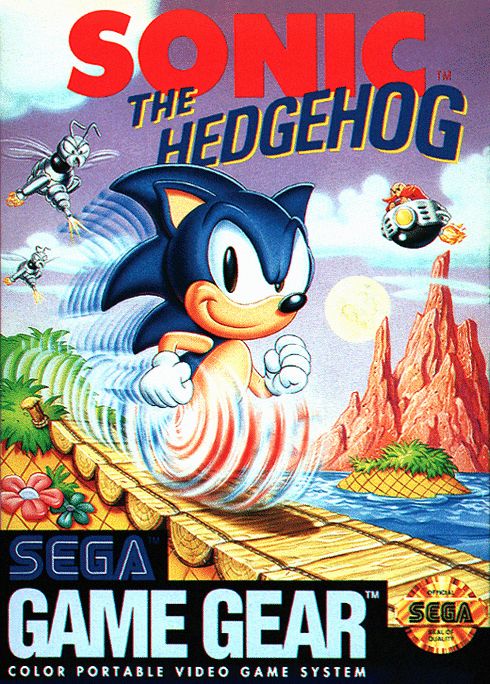
More of a reimagining than a port / demake, the first Sonic on Game Gear is fun and surprising throughout. A very impressive 8-bit release.
81. Motor Raid (Model 2 / AM1, AM4 / 1997)
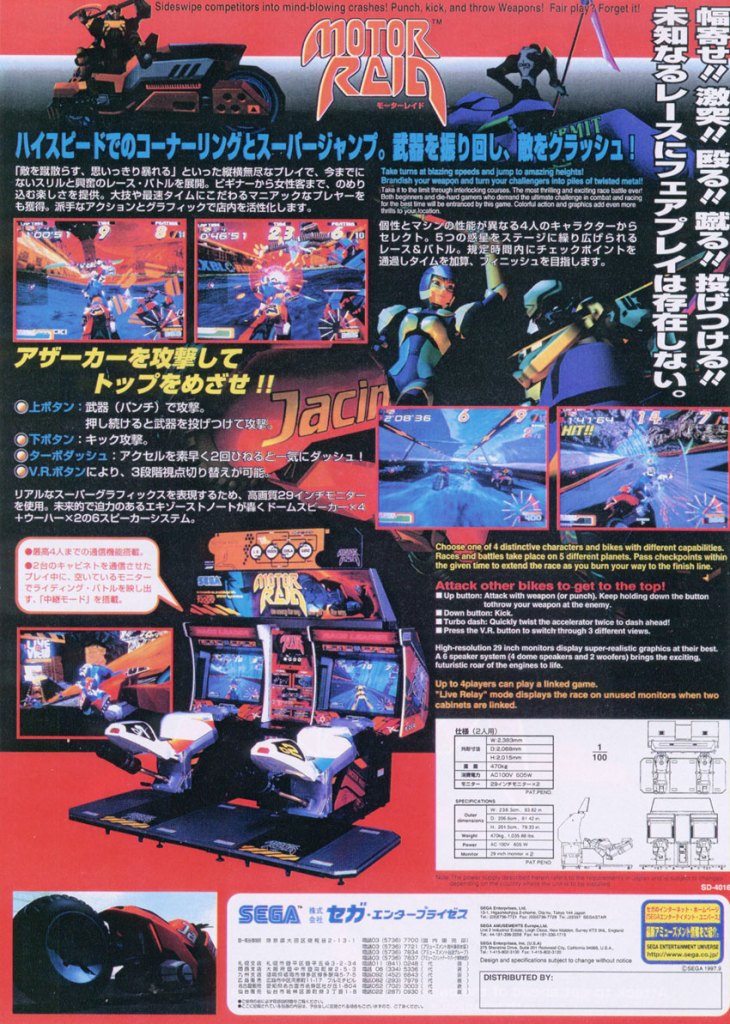
A planet-hopping motorcycle combat racer (think Road Rash) with a cool aesthetic. While arcade units are hard to track down, an emulated version is playable in recent Like a Dragon games.
80. Sonic Adventure (DC / Sonic Team / 1998)
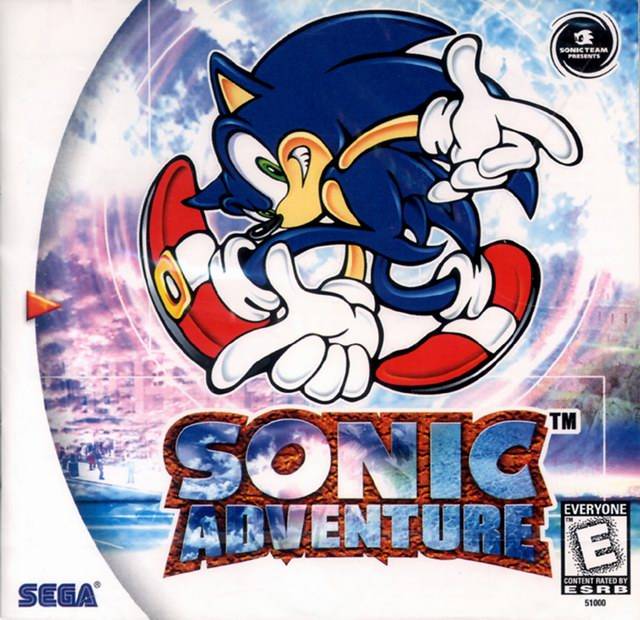
Uneven and frustrating, Sonic Adventure is a tough game to love at times. But what’s good here (Chao raising, soundtrack, variety) is *really* good. It wasn’t the triumphant 3D debut we were all hoping for, but it’s a fascinating game that’s still worth exploring with an open mind.
79. Virtua Cop 2 (Model 2 / AM2 / 1995)

While I enjoyed the first Virtua Cop, something about it always felt a bit sterile and dull to me. VC2 goes beyond the shooting gallery of the original and into blockbuster action movie set pieces. The spectacle goes a long way in holding my interest, and likely inspired some of the light gun games further down this list.
78. Beyond Oasis (Genesis / Ancient / 1994)
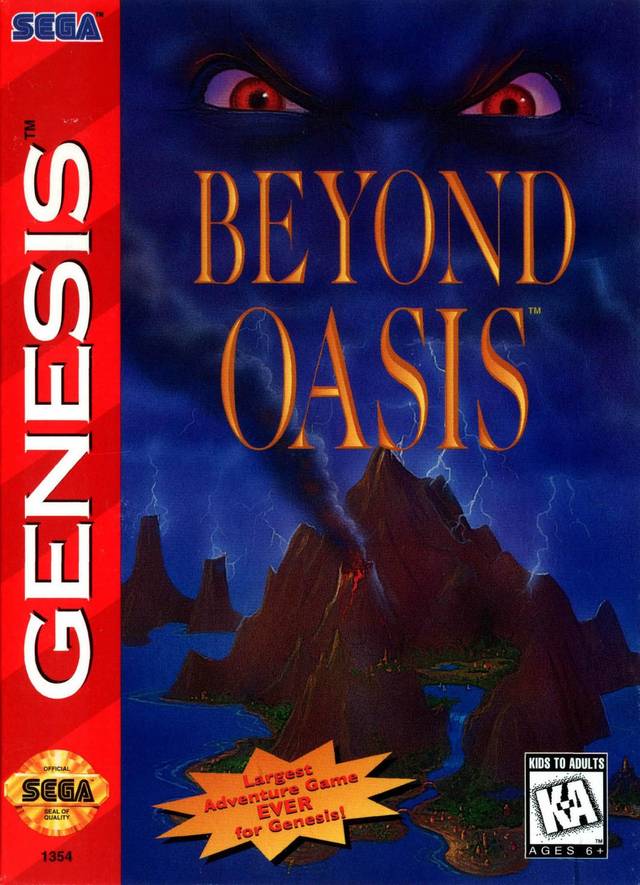
A gorgeous action-RPG with a unique setting and a killer soundtrack. Probably the closest thing to Seiken Densetsu on Genesis.
77. Sonic the Fighters / Sonic Championship (Model 2 / AM2 / 1996)
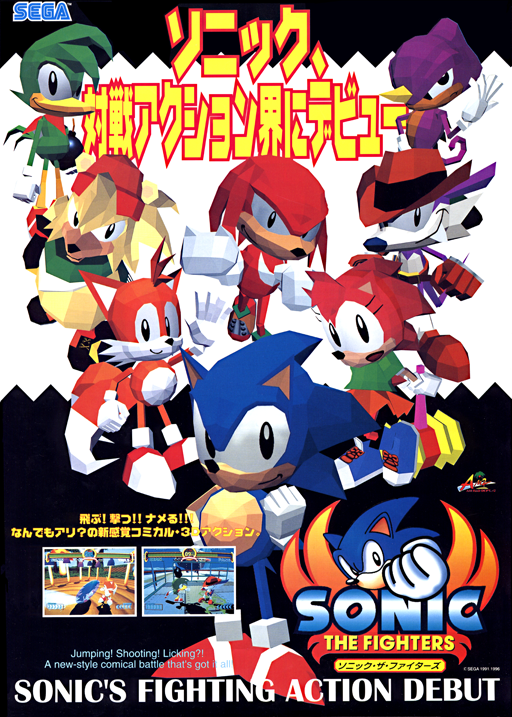
It’s not terribly complex, but there’s nothing else really like Sonic the Fighters. It’s an authentically zany game, with madcap action and comedic animation. Despite coming from AM2, this is as far removed from Virtua Fighter as you can get, and I like it.
76. Alien Storm (System 18 / Team Shinobi / 1990)
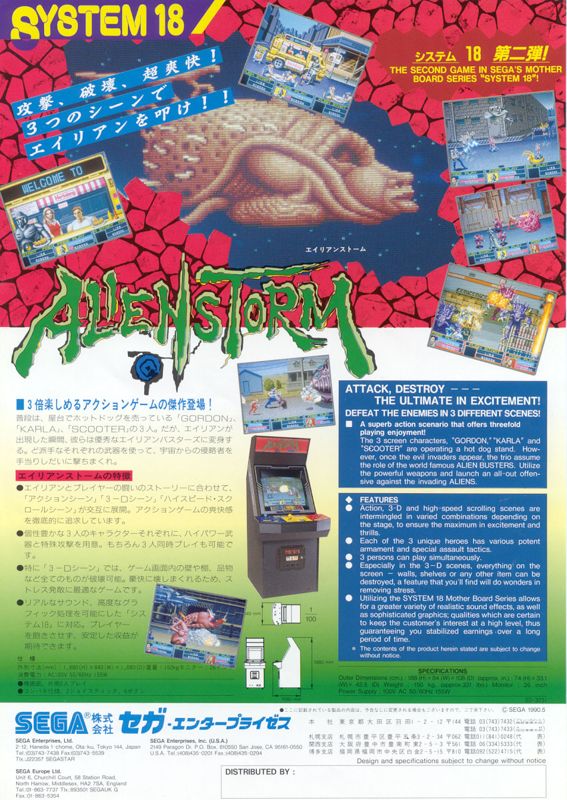
An absolutely bonkers brawler filled with amazing sprites and baffling moments.
75. Hanagumi Taisen Columns (Saturn / CS2, Red Company / 1997)

Like many puzzle games, Columns is somewhat of an aesthetic blank slate. The tried and true gameplay pairs well with the style and characters of Sakura Taisen. Probably my favorite version of Columns.
74. Out Run (Master System / R&D2 / 1987)
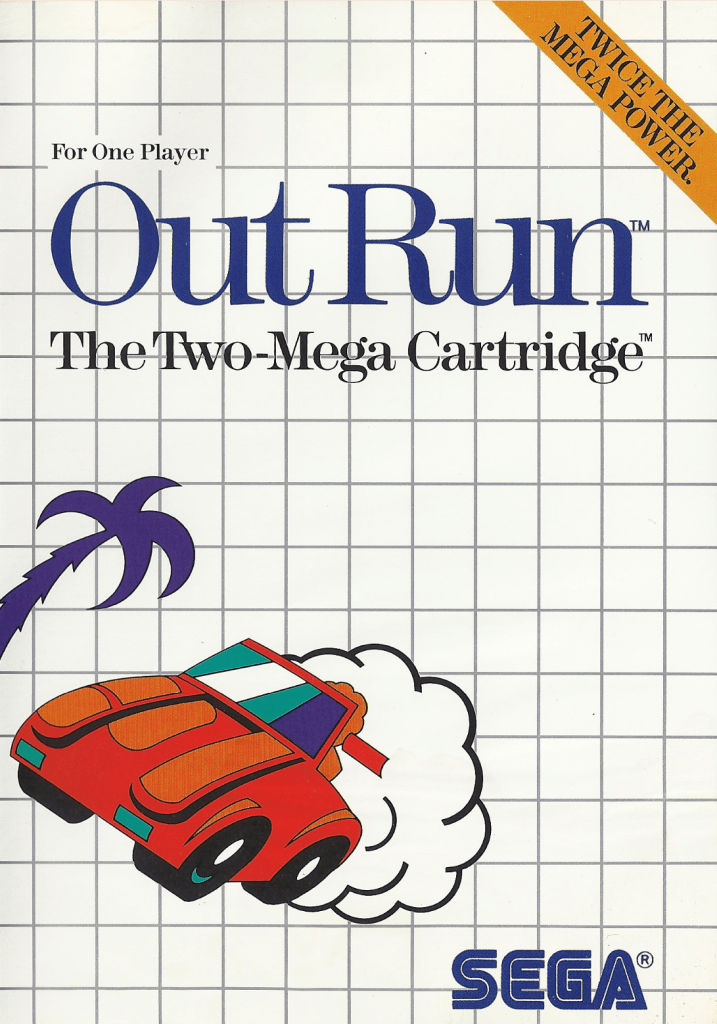
A port that punches above its weight in terms of visuals, sound, and control. I prefer this to the Genesis version; it’s arguably the best 8-bit racer on consoles.
73. Golden Axe Warrior (Master System / R&D2 / 1991)
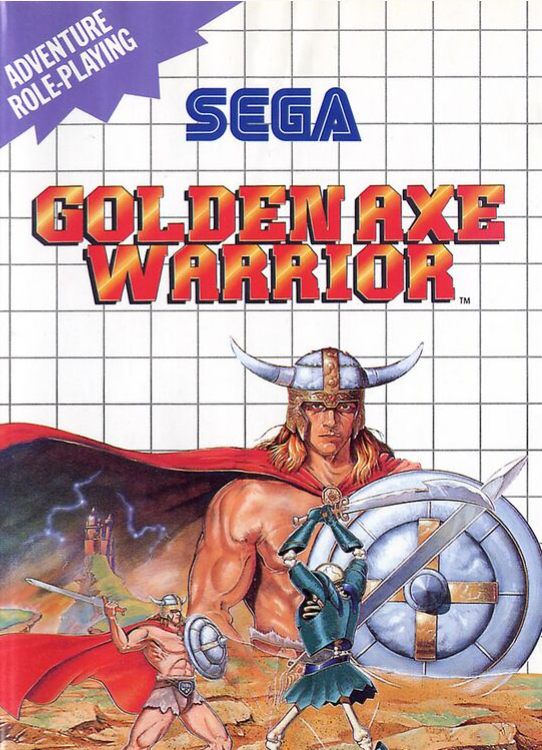
Swapping brawler gameplay for a Zelda-esque adventure, Warrior is one of the strangest, and best, games in the Golden Axe series. It’s unfortunate that the game has not been made more readily available.
72. Shining Force CD (Sega CD / Sonic! Software Planning / 1994)
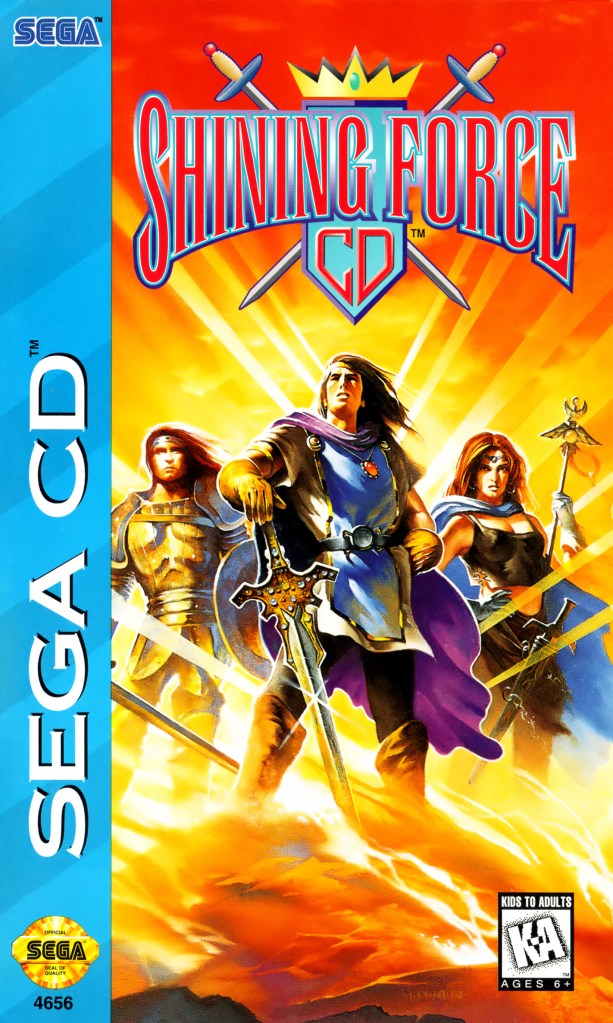
A remake of the first two Game Gear Shining Force games, CD exchanges portability for higher quality visuals and sound. It’s not the most memorable story, but the classic Shining Force strategy RPG gameplay is as strong as ever.
71. Alex Kidd in Miracle World (Master System / R&D2 / 1986)
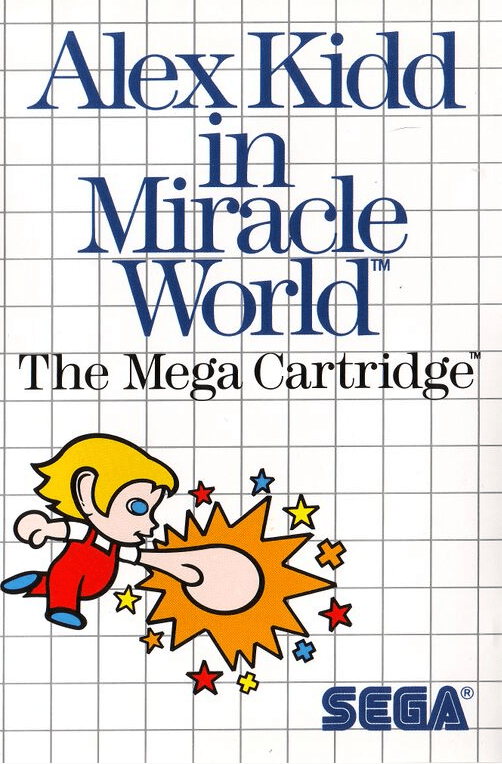
For some people, this is an all-time classic and a huge part of their childhood. As an NES kid, I didn’t experience it until much later. It’s a surprisingly cruel game at times, but also incredibly strange and interesting. I wouldn’t exactly call myself an Alex Kidd fan, but I do really appreciate and enjoy this one.
70. Star Wars Trilogy Arcade (Model 3 / AM12 / 1998)
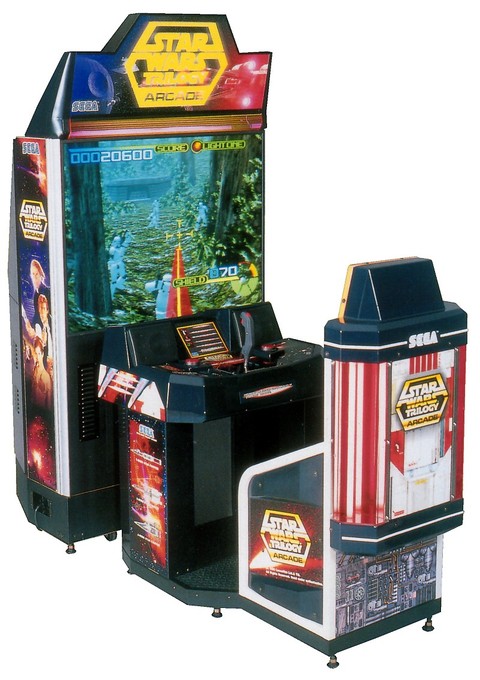
Released between the special editions and Episode I, this game came at the time in my life when I was most hyped for anything Star Wars. It’s a great experience, full of visual spectacle and epic Star Wars moments.
69. Sega Bass Fishing (Dreamcast / AM1, SIMS / 1999)
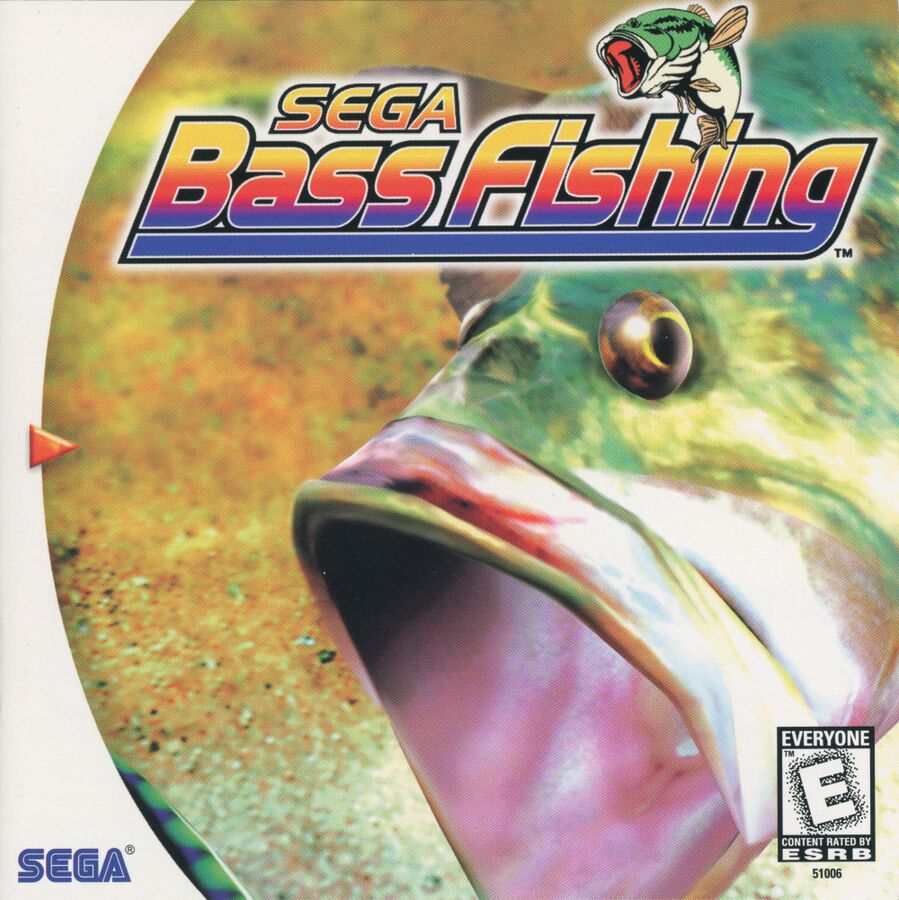
There are few things in this world I’m less drawn to than fishing, and yet I love this game. I’ve never had a chance to play it in the arcade, but I adore the Dreamcast version, especially with the fishing rod controller. A classic Sega take on something mundane.
68. Sylvan Tale (Game Gear / CS5 / 1995)
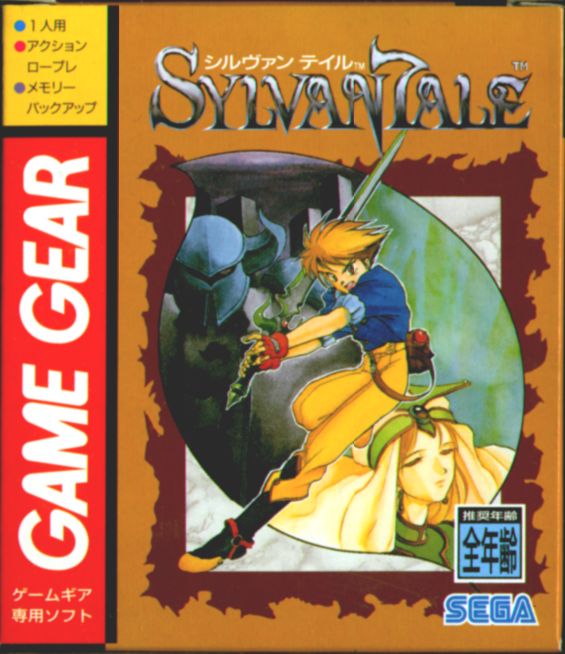
A rare Game Gear action-RPG, Sylvan Tale did not see a release outside of Japan. It’s a shame, because this is one of the deepest and most visually appealing games on the system. Thankfully, it was fan-translated into English a few years ago.
67. Sonic the Hedgehog: Triple Trouble (Game Gear / Aspect / 1994)
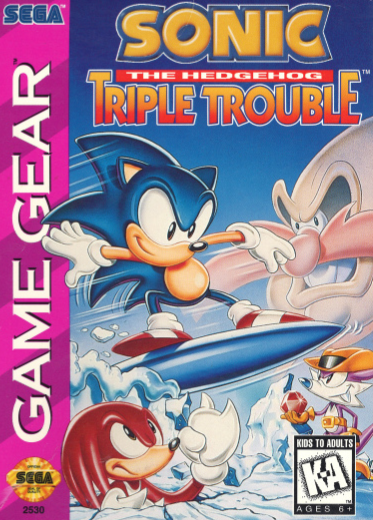
My favorite of the 8-bit Sonic games, Triple Trouble has great presentation, responsive controls, and a lot of character. One of the best 8-bit platformers, period.
66. Spikeout: Digital Battle Online (Model 3 / AM11 / 1998)
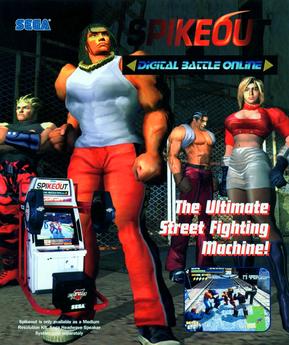
A more grounded take on Dynamite Deka with the ability for multiple players to join a game on different machines. Even without this functionality, it’s still pretty fun.
65. Alien Syndrome (System 16 / R&D1 / 1987)
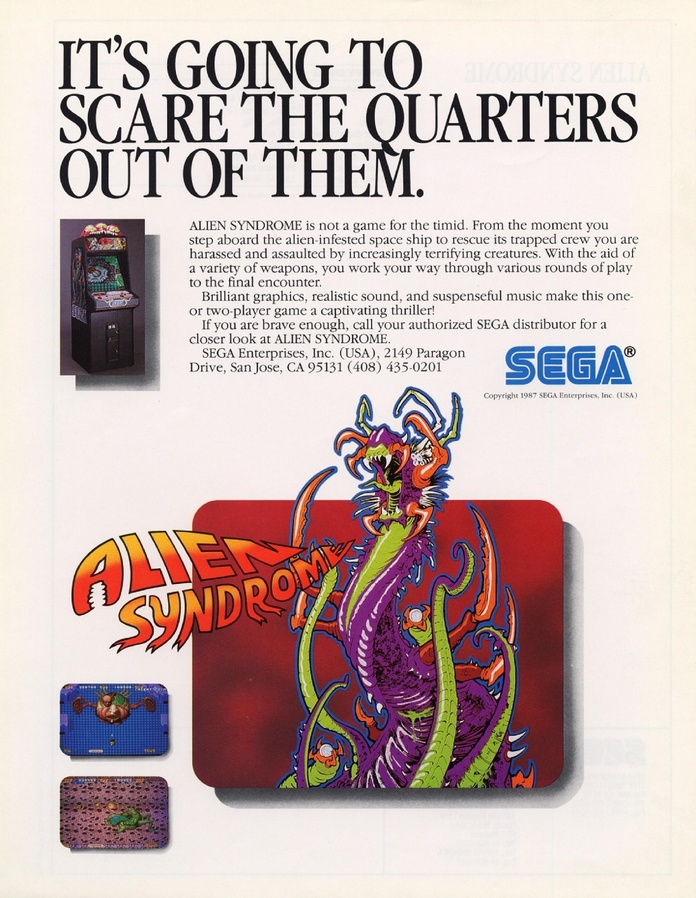
Obviously inspired by Alien(s), Alien Syndrome is a surprisingly tense and moody arcade game. The gameplay loop is simple, but lends itself to strategic play in choosing a route.
64. Shinobi (Master System / R&D1, R&D2 / 1988)
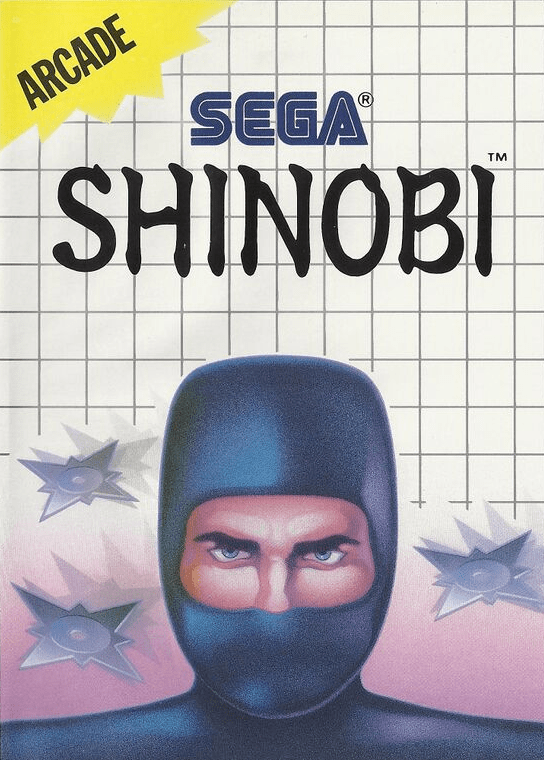
While not as visually impressive as the arcade game, the Master System version of Shinobi is simply more fun. Some concessions were made to lower the difficulty, and in my opinion, the game just plays better with a controller. An essential purchase for any Master System owner.
63. The House of the Dead (Model 2 / AM1, AM4 / 1997)
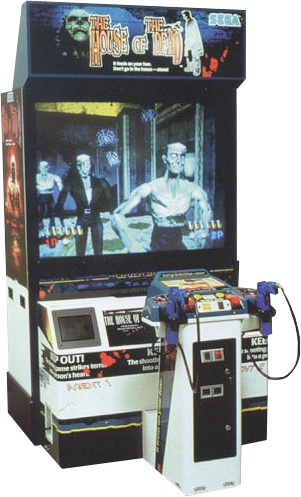
A breakthrough lightgun shooter that, alongside Resident Evil, helped bring zombies back into the public conscious. The campy dialogue and great art direction create an impeccable vibe.
62. Phantasy Star III: Generations of Doom (Genesis / R&D2 / 1990)
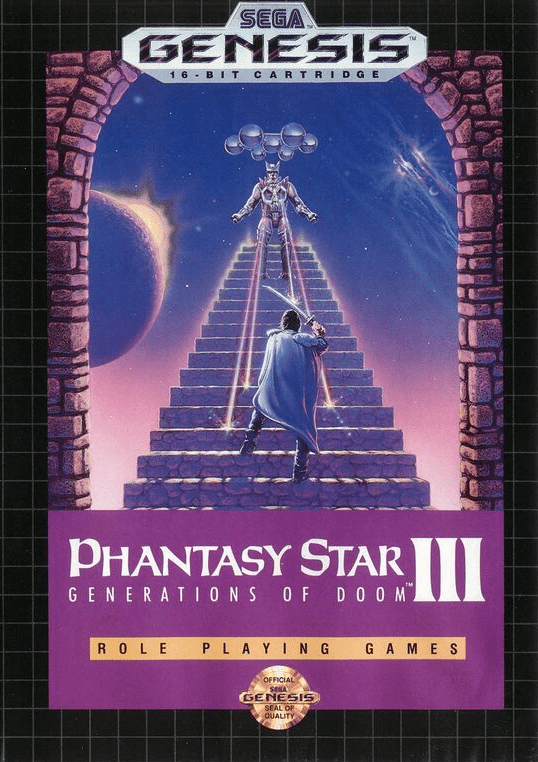
A competent RPG for the time, full of ambition and annoyances in equal measure. It has an incredible soundtrack, presented in the most bonkers way during battles. The least essential of the mainline Phantasy Star series, but fascinating all the same.
61. Fantasy Zone (System 16 / R&D1 / 1986)
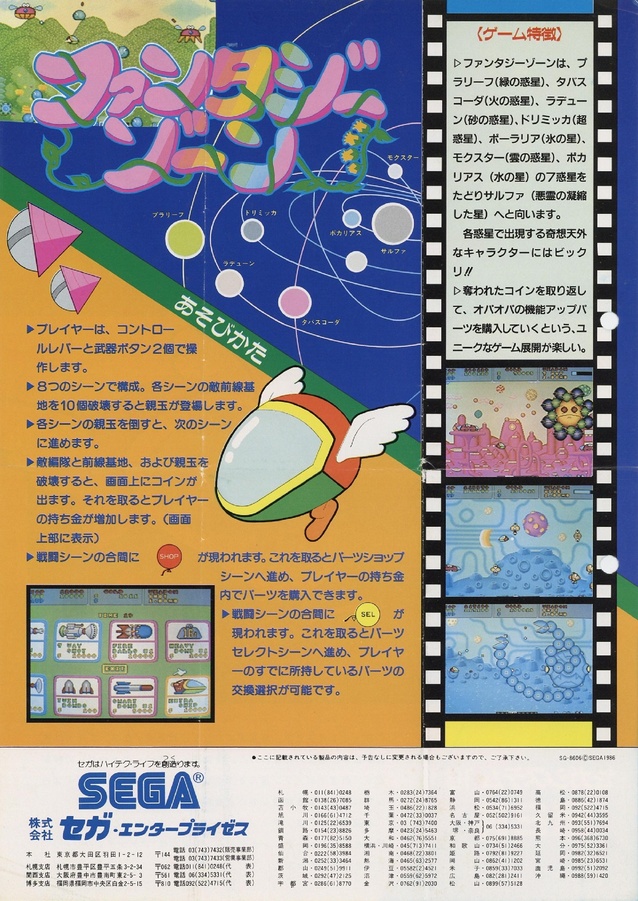
A progenitor of the cute-em-up genre (a good genre), Fantasy Zone is a Defender-like with some cool additions, like a shop. It’s challenging and addictive, with beautiful pastel visuals and an absolute earworm of a soundtrack.
60. Arabian Fight (System 32 / AM2 / 1992)
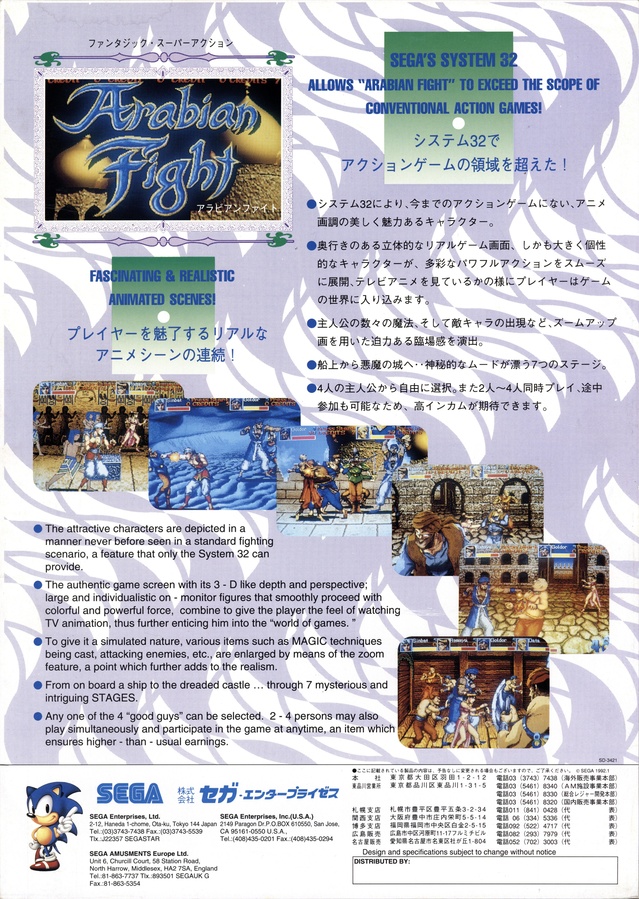
One of the most clever video game names of all time, Arabian Fight also happens to be among the best looking. The giant scaling sprites are beautifully animated and still impressive today. Sure, it’s more style than substance, but sometimes that’s OK.
59. Last Bronx (Saturn / AM3 / 1997)

With books, manga, radio dramas, and even a live-action movie produced alongside it, Last Bronx seemed poised to be the start of another massively popular Sega franchise. It’s a shame this didn’t happen, because LB’s weapon based fighting with Virtua Fighter-style controls is a blast. One of my favorite fighters on the Saturn.
58. Shining in the Darkness (Genesis / Climax Entertainment / 1991)

The colorful visuals make this an inviting introduction to first-person dungeon crawlers. Despite the approachable visuals, the game gets pretty brutal the further you progress, so be ready to bust out the graph paper.
57. The House of the Dead 4 (Lindbergh / AM1 / 2005)
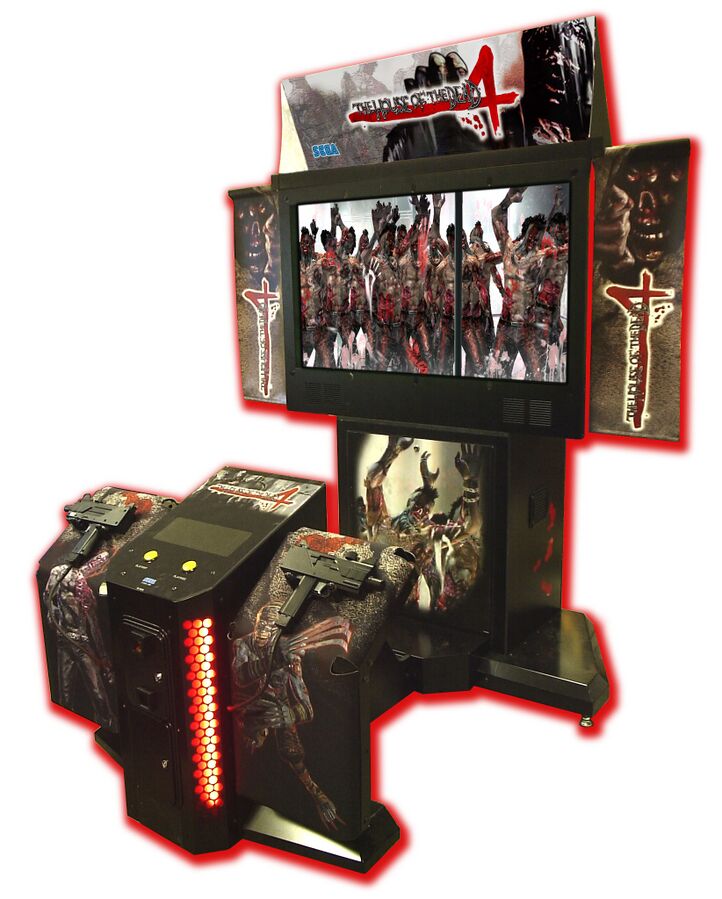
A fast-paced, visually impressive light(machine)gun shooter with incredible set pieces, THotD 4 is intense as hell.
56. The House of the Dead III (Chihiro / WOW Entertainment / 2002)
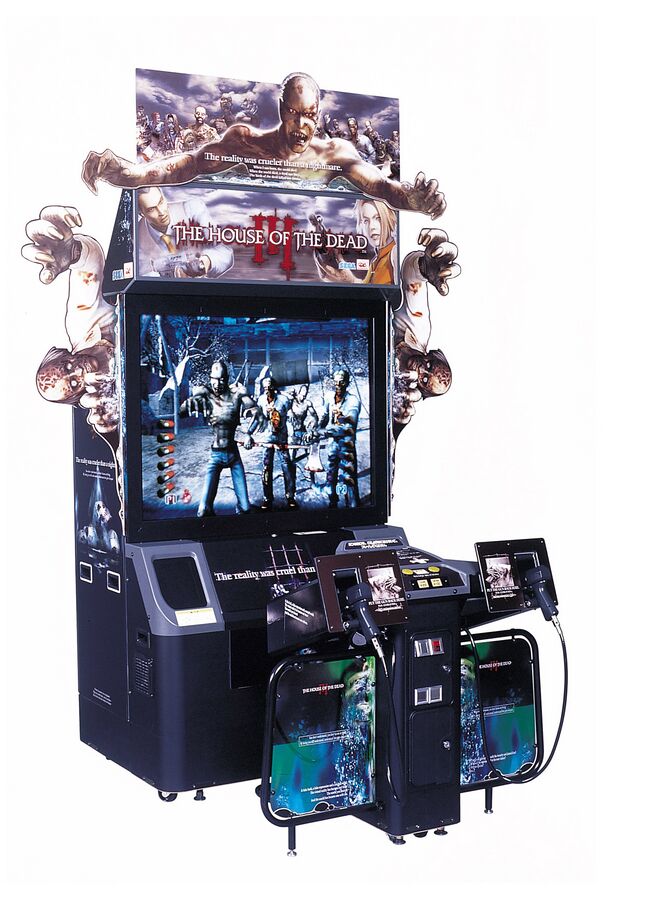
I rate this slightly higher than THotD 4 because I prefer the more methodical pace. Plus, shotgun > machinegun.
55. Sega Rally 2 (Dreamcast / AM Annex, AM4, Sega Software R&D Dept. 6 / 1999)
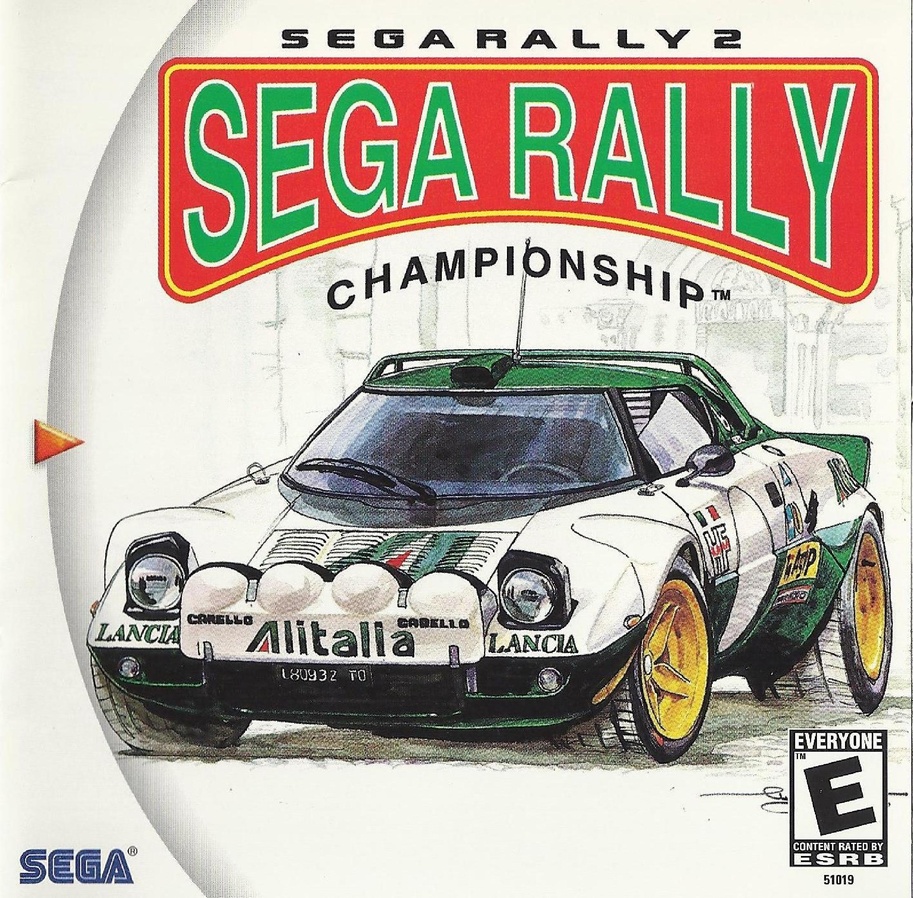
Sega Rally 2’s Dreamcast port isn’t quite as impressive as the Saturn version of the original game was in 1995, but there is a decent amount of additional content here. To me, Rally 2 doesn’t feel quite as good as the first game, but it’s still a phenomenal racer.
54. Galaxy Force II (Y Board / R&D1 / 1988)
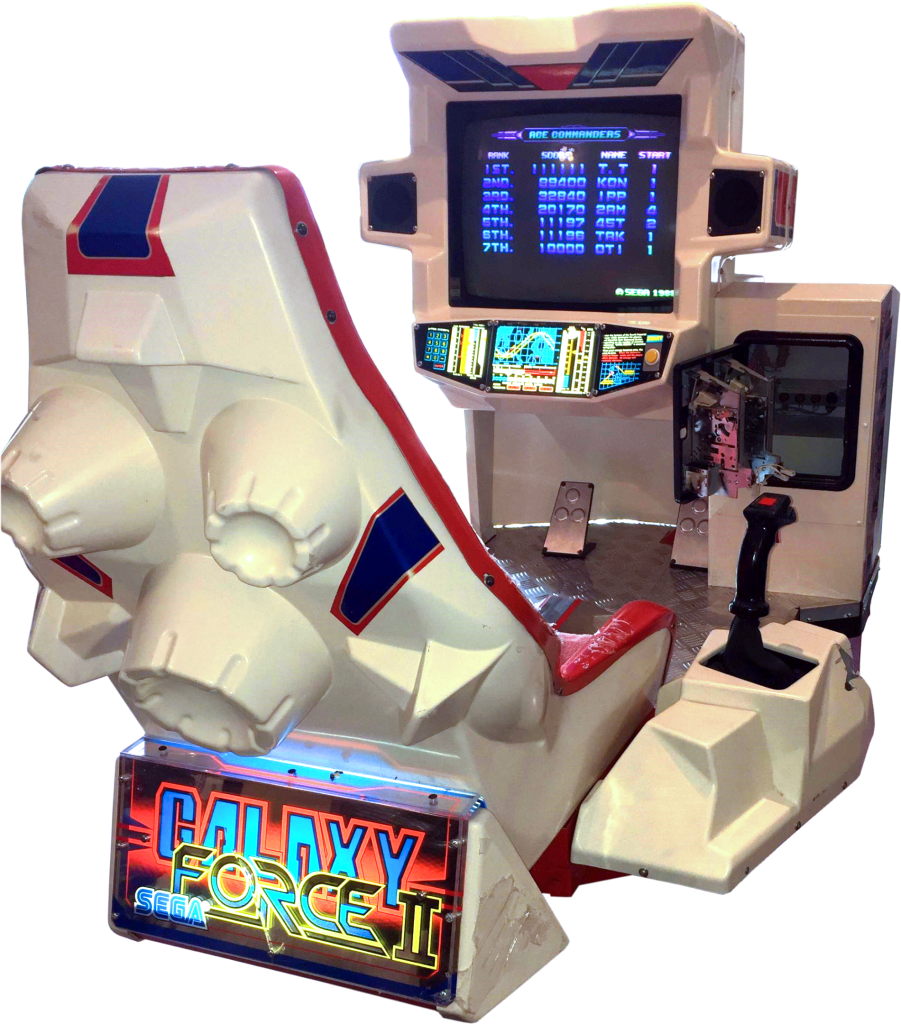
An almost overwhelming visual spectacle, Galaxy Force II must have been absolutely mind-blowing to play in its proper arcade setting in 1988. My first exposure to the game was the Sega 3D Classics version on 3DS and even without the impressive arcade hardware, it was still an extremely immersive rail shooter.
53. Top Skater (Model 2 / AM3, AM4 / 1997)
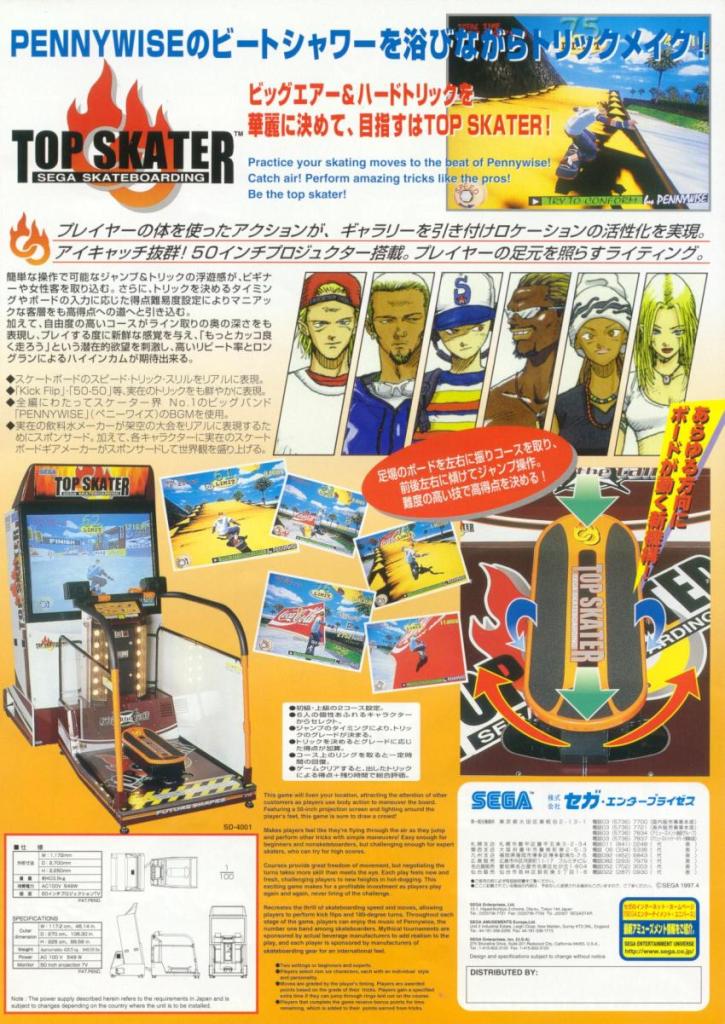
Do you like wild arcade cabinets? Do you like skateboarding? Do you like mid-90s-era Pennywise? If the answer to at least one of these questions is yes, you’ll probably like Top Skater. If you were like me in 1997 and answered yes to all three, you will *love* Top Skater.
52. Space Channel 5 (Dreamcast / R&D9, Sega Digital Media / 1999)
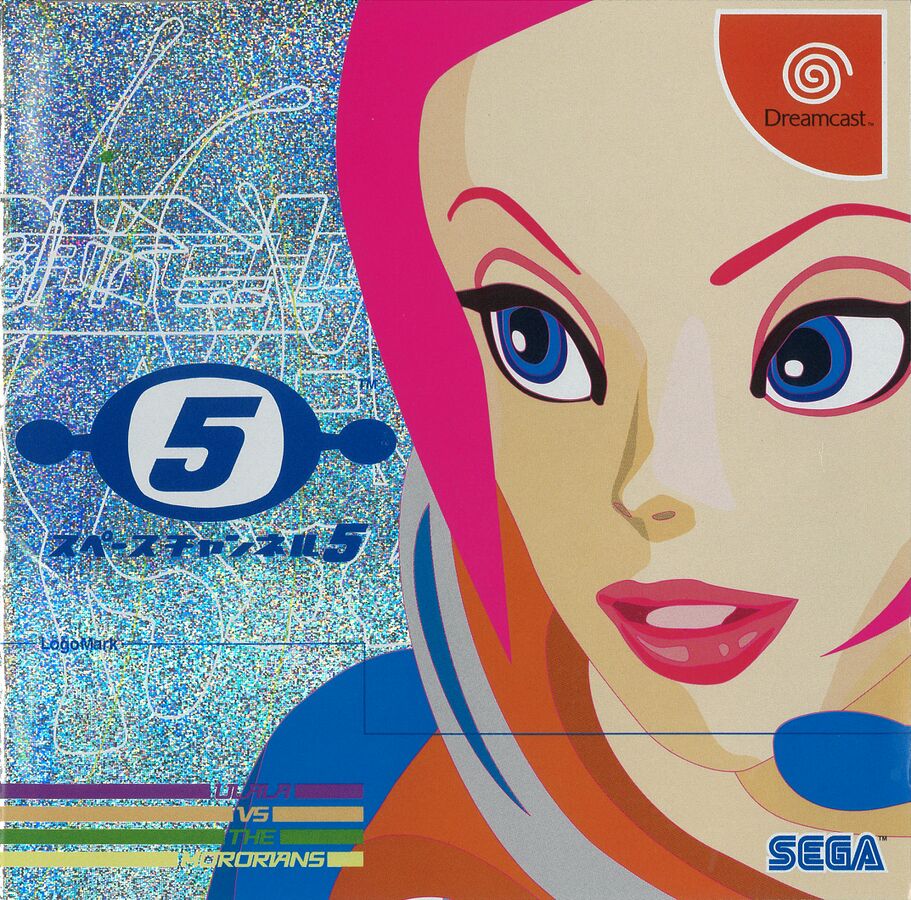
Yeah, it’s mechanically simple (“rhythm Simon Says” if you’re really reductive), but Space Channel 5 manages to pull off “cool” in a way that 99.9% of games could only dream of. From the environments to Ulala herself, Space Channel 5 has an unmistakable style.
51. Jet Set Radio (Dreamcast / R&D6, Smilebit / 2000)
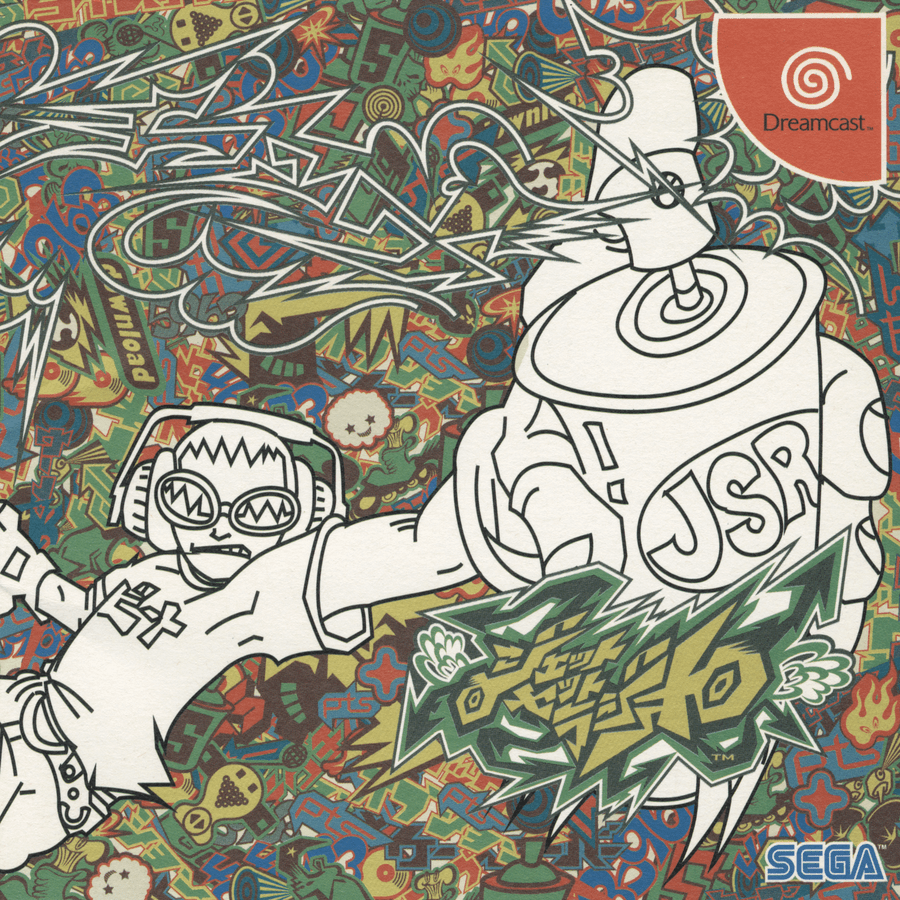
There’s only one game cooler than Space Channel 5, and that’s Jet Set Radio. While the timed stages can occasionally be frustrating, the traversal, soundtrack, and cel-shaded visuals still hold up today.
50. Golden Axe (System 16 / R&D1 / 1989)
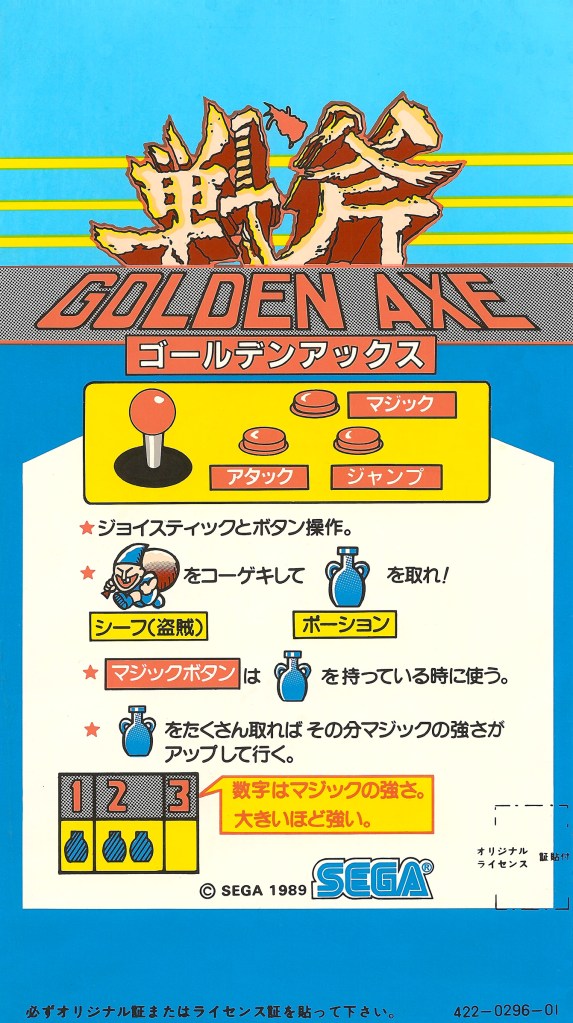
A lowkey technical brawler, being mindful of your moveset and positioning makes Golden Axe much more manageable. The music, environments, and storytelling (really!) are pretty much unmatched in brawlers of the era. And the fourth-wall breaking ending is absolutely legendary- I have shown it to so many people in my life.
49. Hang-On (Sega Hang-On hardware / R&D1 / 1985)
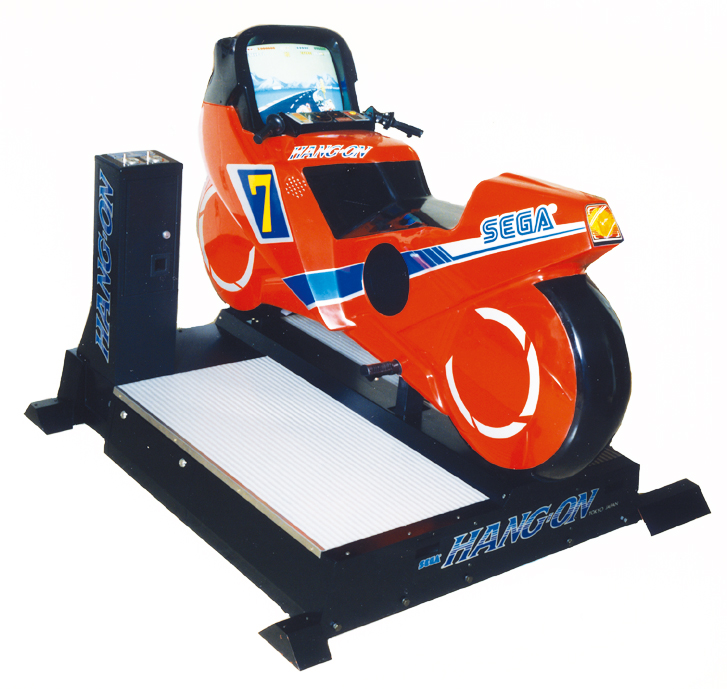
It’s impossible to overstate the impact Hang-On had on Sega and the arcade industry in general. The rideable motorcycle controller is still cool as hell today; I can’t imagine how nuts it must have seemed in 1985. Far from a gimmick though, Hang-On looks, sounds, and plays great. If this was the only game Yu Suzuki ever designed, he would still go down as a legendary game developer, but there are plenty more of his games still to come later on this list…
48. Virtua Tennis (Dreamcast / R&D3, Hitmaker / 2000)
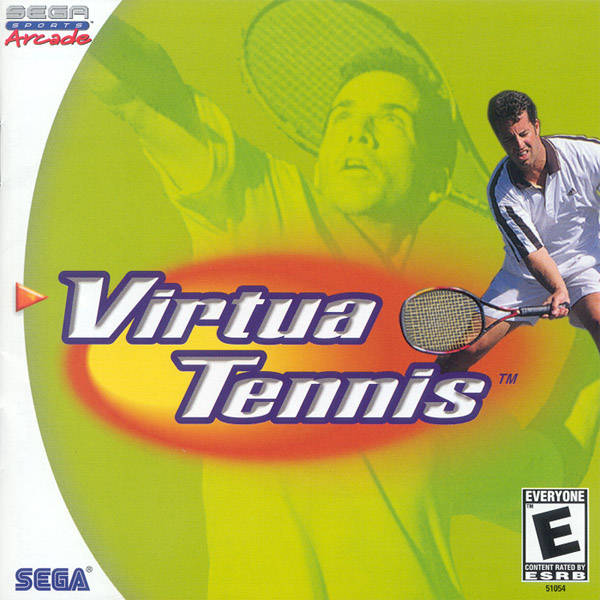
Despite the sterile presentation, Virtua Tennis is pure Sega arcade excellence- instantly accessible and infinitely replayable. Another incredible arcade-to-Dreamcast port.
47. 18 Wheeler: American Pro Trucker (Naomi / R&D2 / 1999)
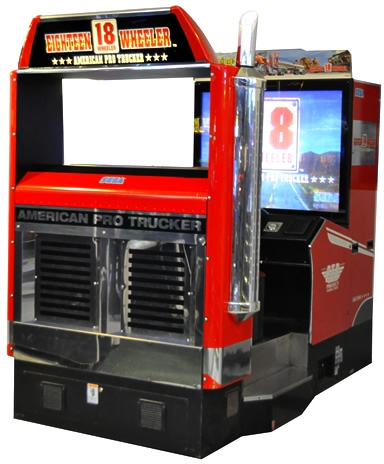
Falling somewhere between Out Run and Crazy Taxi, 18 Wheeler is another arcade banger from Sega. It’s a short, straightforward, and simple game, but one full of character and small details that go a long way.
46. Streets of Rage (Genesis / R&D6 / 1991)
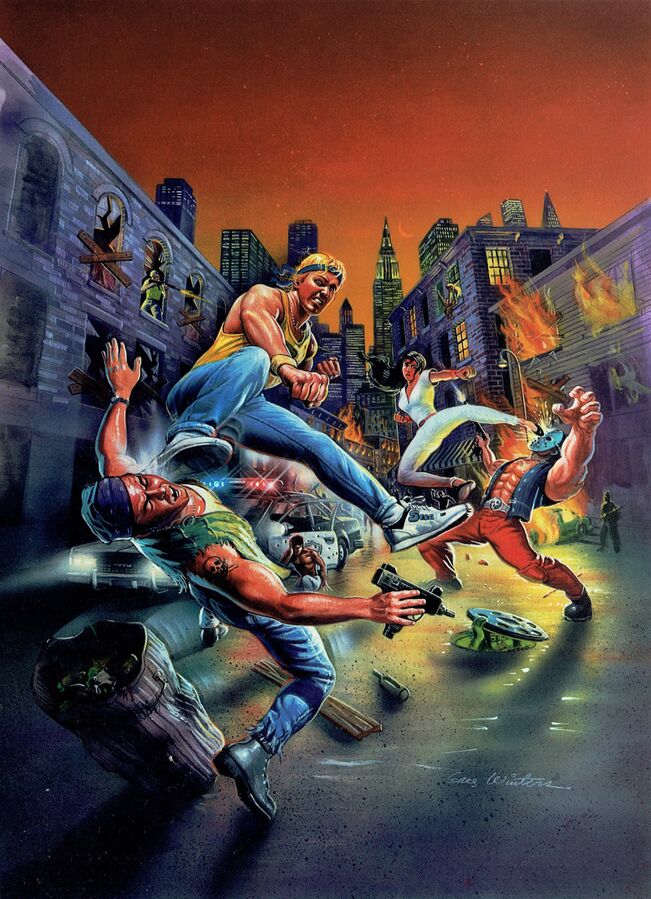
The SNES got a port of Final Fight, but Sega had this. Turns out “Final Fight at home” was a whole lot better than what Nintendo had on their 16-bit console. Like Golden Axe, this is more than a button-mashing brawler, requiring a degree of thoughtfulness and skill. Oh, and the visuals and soundtrack are siiiiick.
45. Space Harrier (Sega Hang-On hardware / R&D1 / 1985)

Taking the tech from Hang-On and expanding it from road racing to full-screen space combat, Yu Suzuki changed the industry once again with Space Harrier. Not just a tech showcase, the game takes place in a fascinating universe and of course has a banger soundtrack. The rail shooter genre begins here.
44. Dynamite Deka 2 (Dreamcast / SPD, AM1 / 1999)
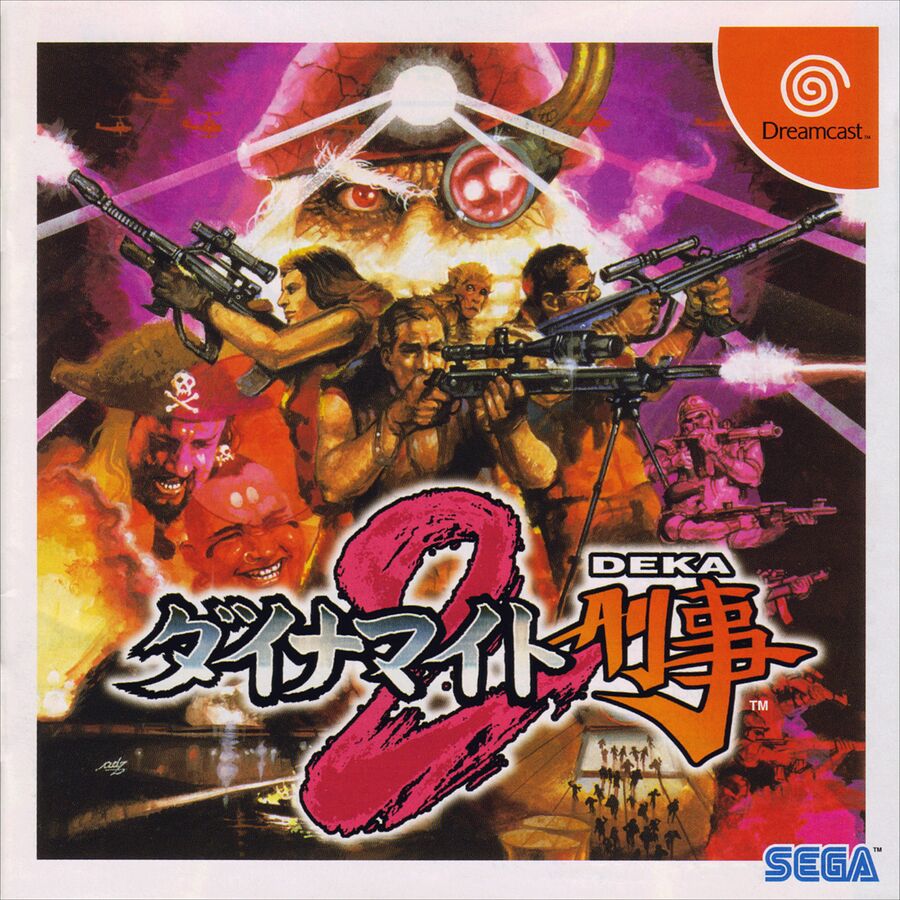
Dynamite Deka 2: Dynamite Harder if you’re nasty. Even more absurd than its predecessor, DD2 is one of those games that you just need to play to believe (Sega has many of these).
43. Sonic CD (Sega CD / CS3, Sonic Team / 1993)
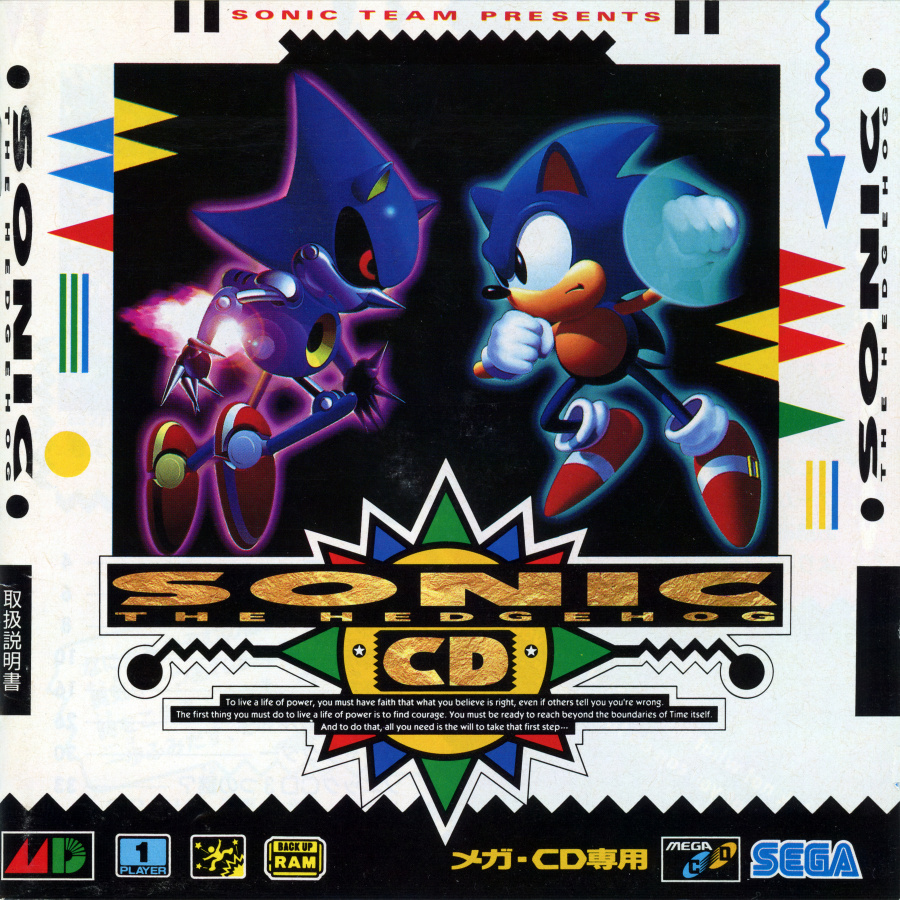
One of the most gorgeous games of the era, Sonic CD offers a few graphical tricks and a lot of replayability. In addition to multiple paths through acts, there are multiple time periods that can be activated and may lead to very different experiences each playthrough. This is a game that I pined for growing up, but never ended up getting a Sega CD. The Japanese PS2 version of the Sonic Gems Collection was my first opportunity to play through the game, and it managed to live up to the decade worth of hype built up in my head.
42. Virtua Racing (Model 1 / AM2, AM4 / 1992)
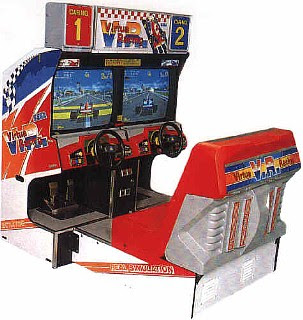
Yu Suzuki and AM2 changed the industry once again with this fully polygonal 3D racer in 1992. The first game to use the “Virtua” moniker, Virtua Racing not only looked amazing, but played great and ran at a smooth framerate.
41. Fighters Megamix (Saturn / AM2 / 1996)
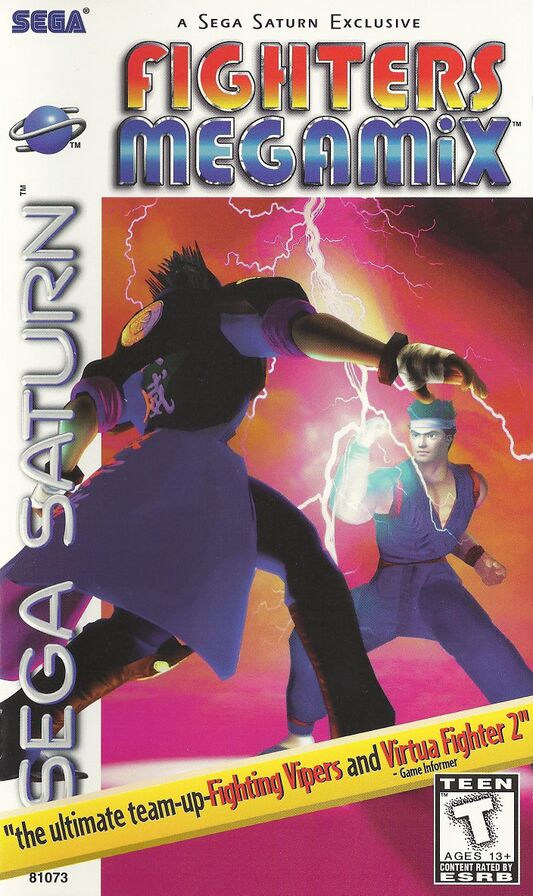
Combining the cast of Virtua Fighter with the over-accessorized dorks from Fighting Vipers works better than you might expect. With additional characters from Virtua Cop, Sonic the Fighters, and even Daytona USA, I can appreciate Fighters Megamix as a celebration of the Model 2 era.
40. Magic Knight Rayearth (Saturn / RPG Production Dept. / 1995, 1998)
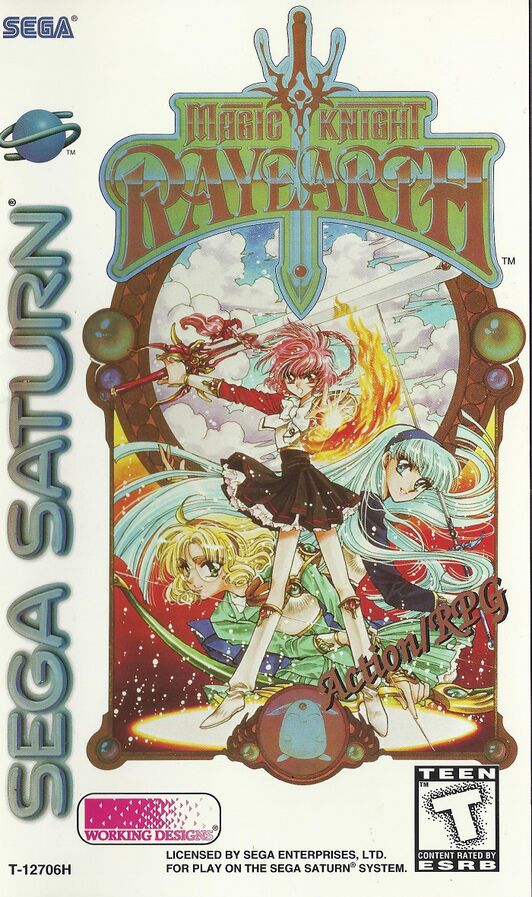
Magic Knight Rayearth is notorious for its long localization process, being the last Saturn game released in North America, and the exorbitant prices it goes for now. All that aside, MKR (directed by Sega Legend Rieko Kodama) is a fantastic classic-style action RPG. It definitely feels more 1995 than 1998, especially considering the rate RPGs were progressing post-Final Fantasy VII, but I still find it well-designed and absurdly charming.
39. Daytona USA (Model 2 / AM2 / 1994)
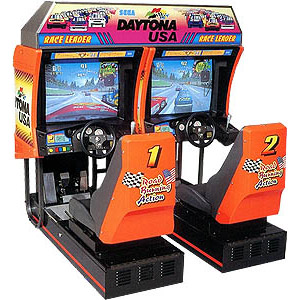
Somehow this stock car racer with an insane vocal soundtrack managed to capture the hearts of players worldwide. It’s not my favorite Sega racer of the era, but its appeal is undeniable.
38. Scud Race (Model 3 / AM2 / 1996)

The visuals in Scud Race were mind-blowing at the time, and remain impressive today. There was no shortage of Sega arcade racers during this era, but this is one of their best, just somewhat overshadowed by Daytona and Sega Rally.
37. Burning Rangers (Saturn / Sonic Team / 1998)

Sometimes I feel like I enjoy thinking about Burning Rangers more than playing it. I mean, it plays great, but when I’m doing the game stuff, I sometimes lose sight of some of the things that make it cool. The theme song is one of these things. I also just adore the space-firefighting premise, and the focus on saving people.
36. Shinobi III: Return of the Ninja Master (Genesis / Megasoft / 1993)
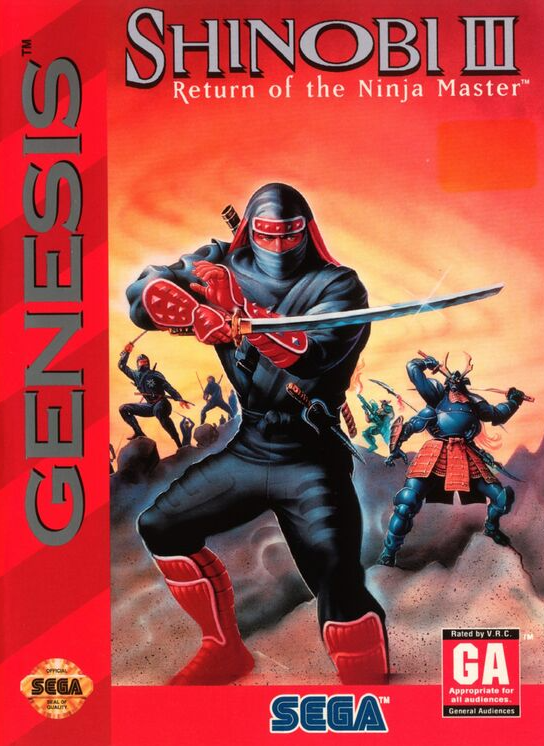
Despite being a fan of the original Shinobi and the Game Gear games, I ended up bouncing off Revenge (great soundtrack, but too slow, difficult, and finicky) and Shadow Dancer (the dog mechanic never really worked for me). Return of the Ninja Master felt like the true sequel: a hyper-responsive visual tour-de-force.
35. Virtua Fighter (Model 1 / AM2 / 1993)
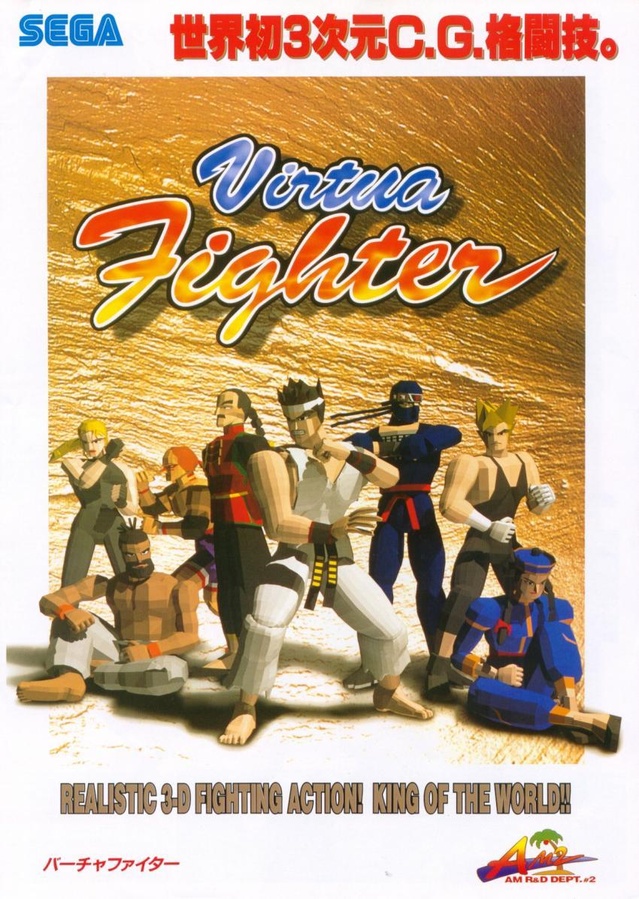
Stop me if you’ve heard this one before, but with Virtua Fighter, Yu Suzuki created yet another genre, this time, the 3D Fighter. As the world of 2D fighting games moved into more and more complicated movesets relying on Memorization, VF simplified controls down to three buttons. What you could do with these three buttons would expand and grow deeper with subsequent entries in the series. Side note: perhaps controversial, but I prefer the 32X port of VF1 over either Saturn version. While it’s easy to see where corners were cut, overall Virtua Fighter 32X is an impressive approximation of the arcade release.
34. Golden Axe: The Revenge of Death Adder (System 32 / AM1 / 1992)
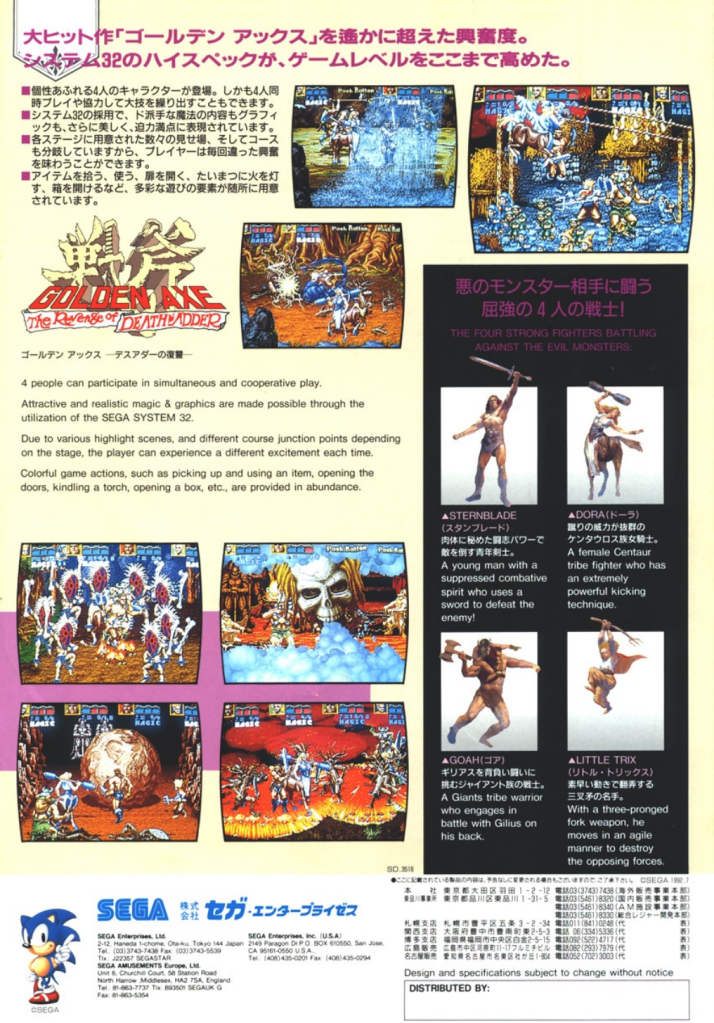
After some genre experimentation with the franchise, The Revenge of Death Adder brought Golden Axe back to the arcade in top form. This is a phenomenal brawler with absolutely incredible visuals. It’s a shame that ports of the game have been so limited and difficult to access.
33. Dragon Force (Saturn / CS / 1996)
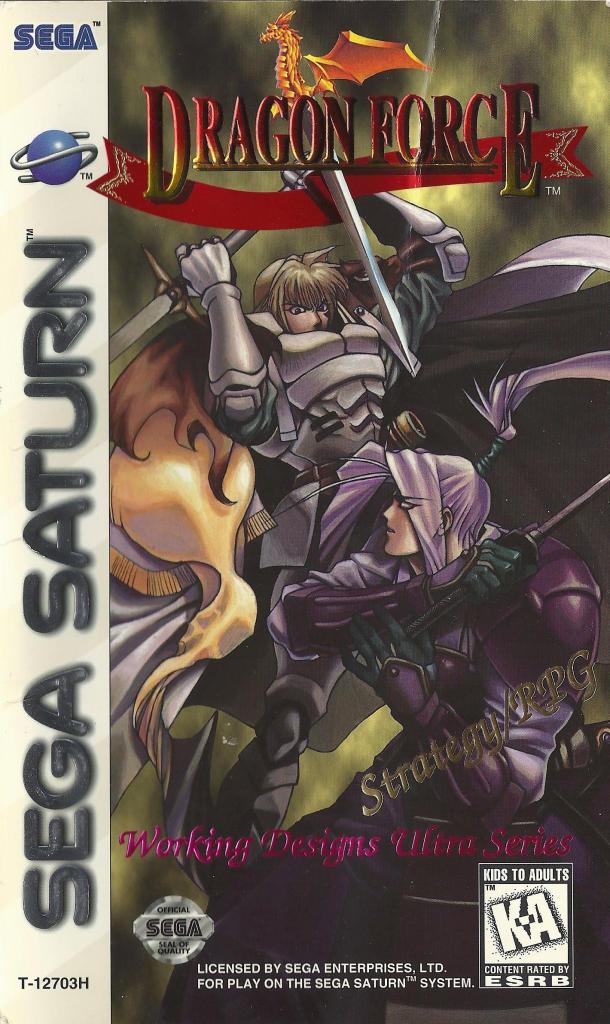
Approachable yet deep, this fantasy anime military strategy game is extremely replayable. There’s really not much else like it.
32. Panzer Dragoon (Saturn / Team Andromeda / 1995)
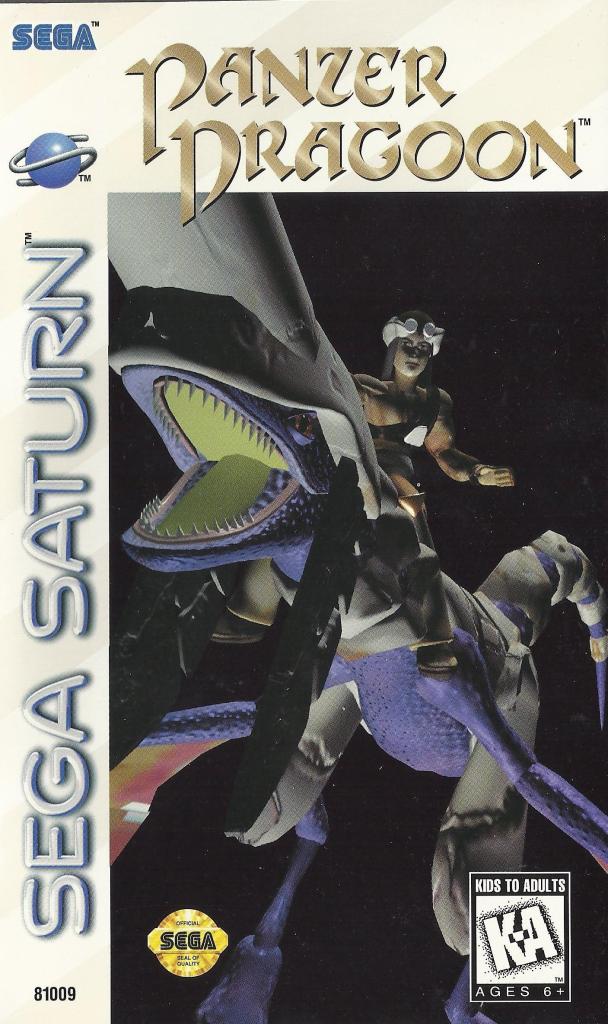
Following in the footsteps of Space Harrier, Team Andromeda redefined the rail shooter with Panzer Dragoon by moving the action around the player in 3D space. But what really resonated with me was the world created for the game. It was obtuse and mysterious, but there was enough there that I could tell the devs had carefully constructed the politics and history.
31. Shining Force II (Genesis / Sonic Software Planning / 1993)
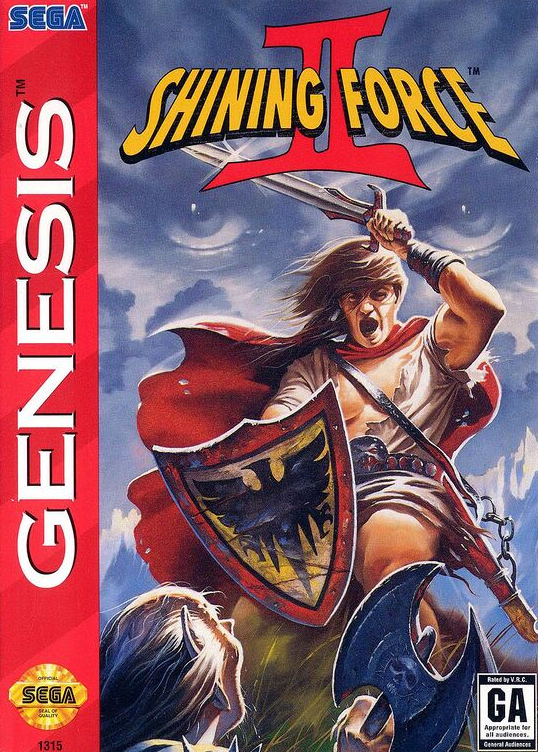
A longer game that’s much grander in scope than its predecessor. I still prefer the leanness of the original game, but a strong case can be made for this being the better of the two.
30. The House of the Dead 2 (Dreamcast / AM1, CRI / 1999)
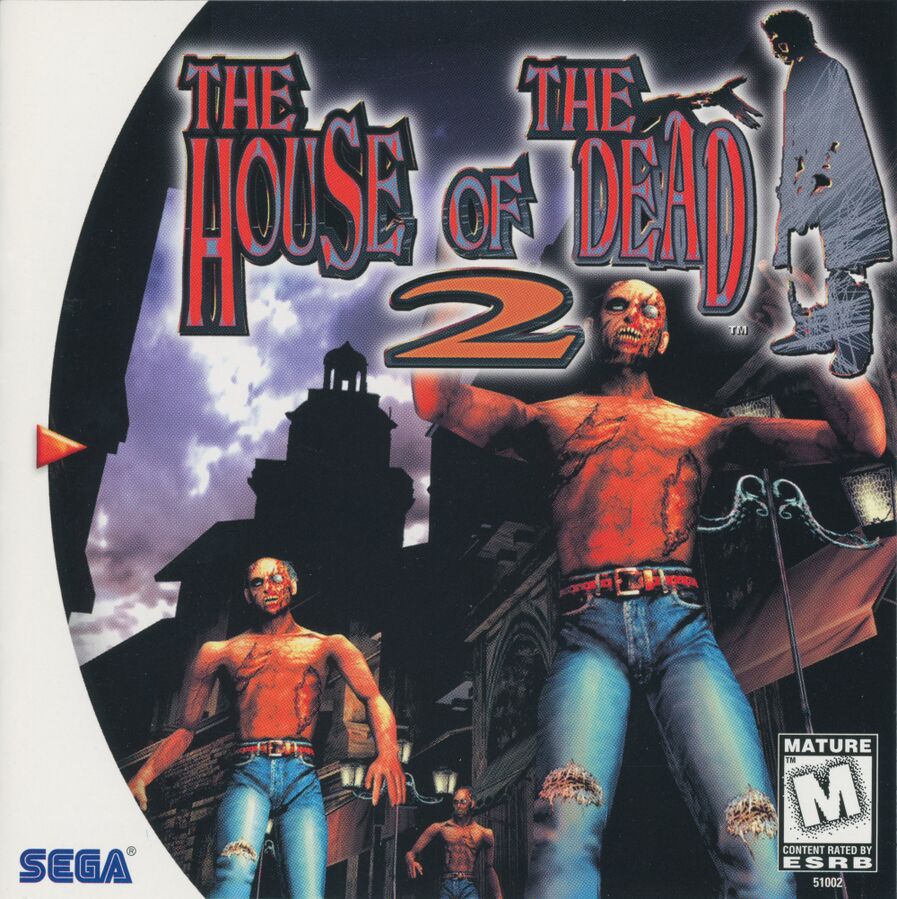
Sega’s best lightgun came to Dreamcast completely intact; a huge accomplishment, following the rough Saturn port of the original game the previous year. This is where I played the game the most, replaying over and over again to not only beat my score, but also to see the many branching paths. A perfectly paced and balanced game.
29. Shining the Holy Ark (Saturn / Sonic Software Planning / 1996)
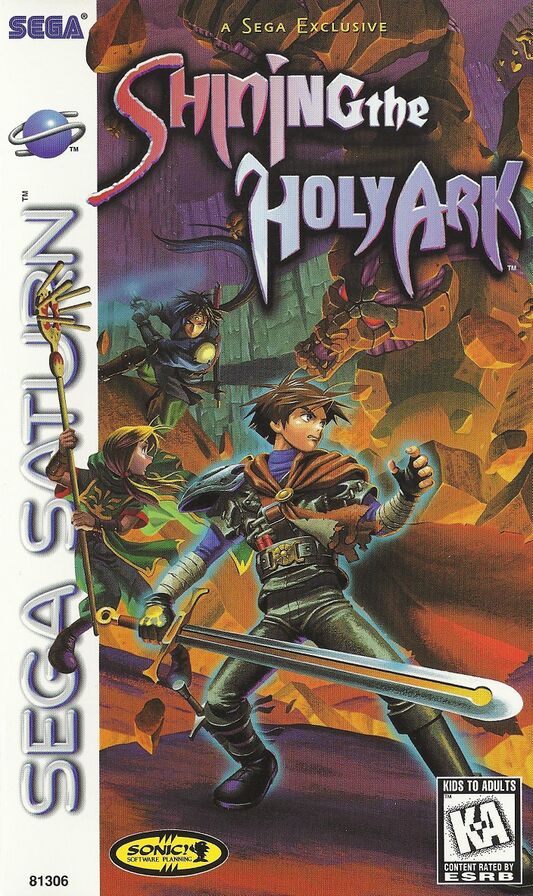
It took me a minute to come to grips with the strange rendered visuals, but once I did this became one of my favorite first-person dungeon crawlers. Expanding on Shining in the Darkness, StHA makes the notoriously difficult genre more approachable with a gentle difficulty curve and QoL features like an automap. A game that should absolutely be in the discussion when talking about the best Saturn RPGs.
28. NiGHTS into Dreams (Saturn / Sonic Team / 1996)
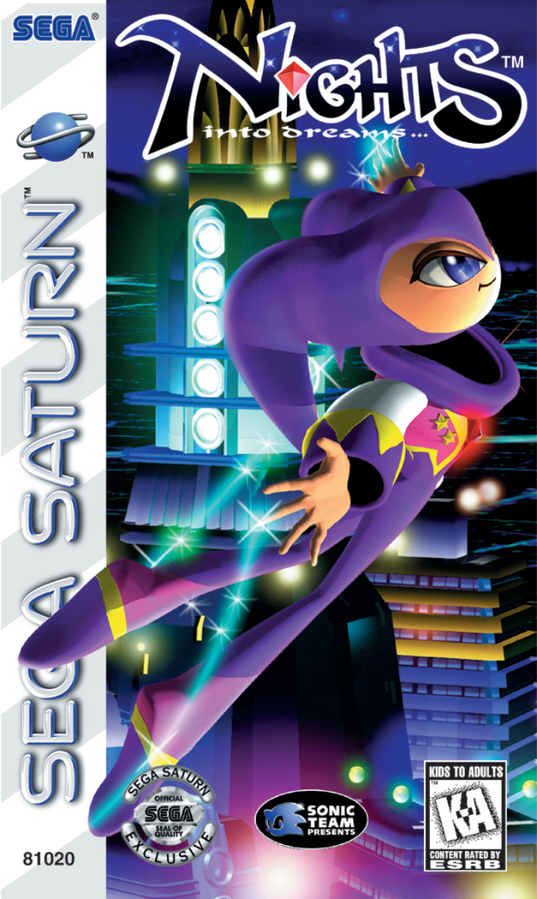
Misunderstood at the time of its release, NiGHTS has gained popularity and understanding over the years. The most important thing to know about NiGHTS is that it is not a 3D platformer, but rather a timed score attack game. This was the first game I can remember watching high level gameplay of on the internet, which is how I learned to *really* play it. Unfortunately those skills have atrophied, but I will always have an affinity for what Sonic Team was going for here.
27. Monkey Ball (Naomi GD-ROM / Amusement Vision / 2001)

Possibly best known as a GameCube launch title, Monkey Ball originated in the arcade with a striking banana joystick. It’s a baffling concept: monkeys in balls need to make it through a treacherous stage full of opportunities to fall into oblivion. Instead of controlling the character, you control the tilt of the stage. It’s tense, challenging, and honestly brilliant stuff.
26. Shining Force III Scenario 1 (Saturn / Sonic Software Planning, Camelot Software / 1997)
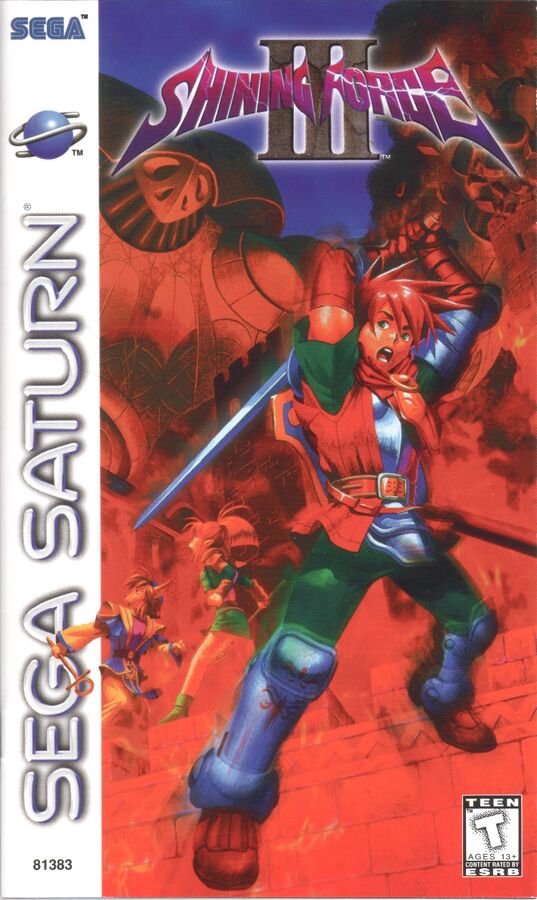
Building off the expanded scope of Shining Force II, the third game went 3D, and felt more like a JRPG than ever. The strategy was still there, but SF III feels bigger than that (the closest modern comparison I can make is Fire Emblem Echoes: Shadows of Valentia on the 3DS). There’s just one problem: we only got the first of three parts in the West. The remaining parts have been fan-translated, but I’ve still not gotten around to them. Someday…
25. Virtua Fighter 2 (Saturn / AM2 / 1995)
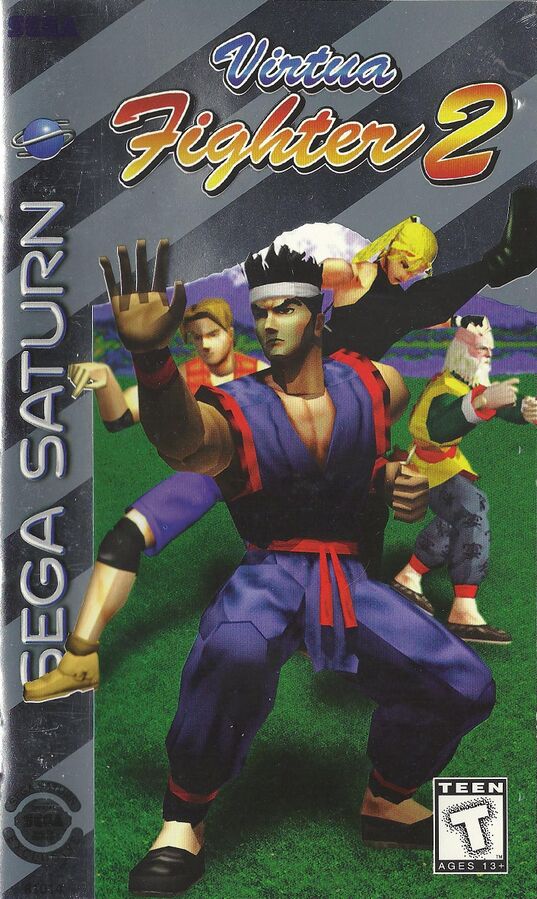
Virtua Fighter established the 3D fighter, Virtua Fighter 2 perfected it, and then Sega brought it home intact. The disappointing Saturn port(s) of the original Virtua Fighter became a distant memory with this release. It was a stunning home conversion; hard to believe that such a visually impressive, deep, and refined fighter was available on the humble Saturn hardware, but AM2 were nothing if not miracle workers.
24. Crazy Taxi (DC / Hitmaker / 2000)
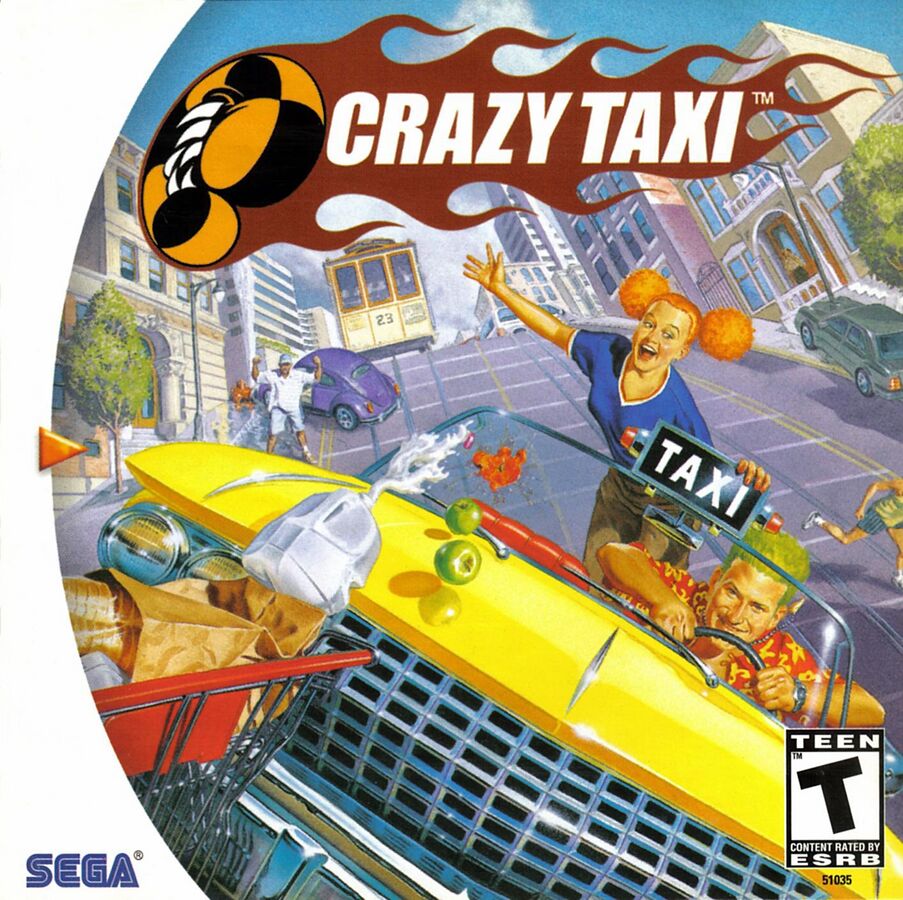
All I Want from a Crazy Taxi port is to be able to drive punx to Tower Records while listening to Offspring and Bad Religion. The Dreamcast version delivers on all fronts, a near-perfect port of a legendary arcade game (with some bonus features to boot). It’s the infinitely replayable home version where I learned (but still haven’t mastered) the array of tricks necessary to improve my score.
23. Sega Rally Championship (Saturn / AM3 / 1995)
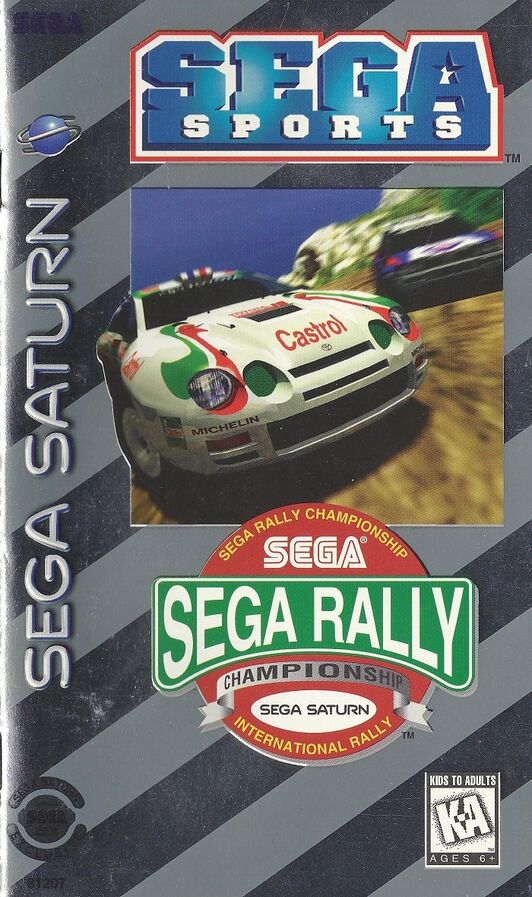
I didn’t really play much of Sega Rally in the arcades; most of my driving during this era was done in a Daytona USA cabinet. But unlike Daytona’s sketchy but serviceable port, Sega Rally on the Saturn is phenomenal. Oddly enough, the d-pad on the Saturn controller was perfect for precise taps while cornering, and when I go back to the game now via the excellent PS2 version, I still use the d-pad.
22. Sakura Taisen (Saturn / CS2, Red Company, Nextech / 1996)
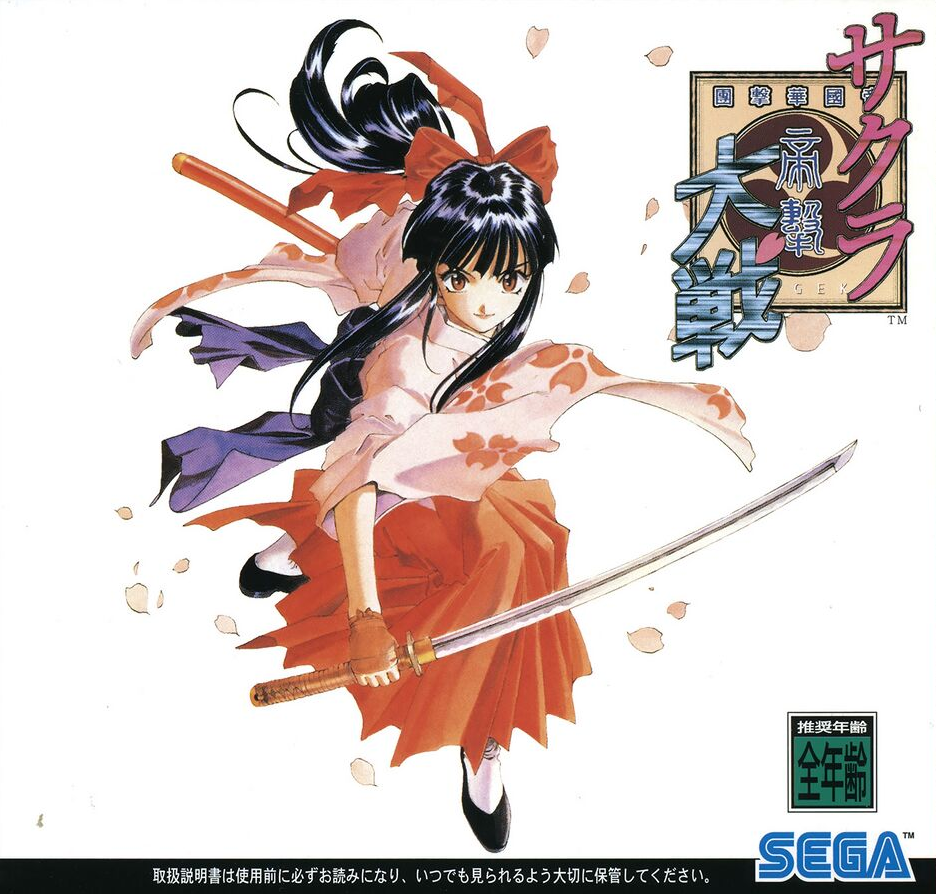
It’s hard not to feel frustrated when thinking about Sakura Taisen (Wars). It’s an extremely innovative game, combining strategy, role playing, visual novels, mechs, theater, steampunk, historical fiction, and romance. I remember seeing this game (and its eventual sequels) in magazines like GameFan in the 90s and desperately wanting to play it (I wouldn’t have a chance to check the series out until the 2010 localization of So Long, My Love on PS2). Despite the dearth of roleplaying games on the Satun compared to the PS1, this game was never officially localized. When I finally played the fan-translation a few years ago, it managed to exceed my expectations. I can’t recommend the game enough, and hope that someday we get an official localization on modern platforms.
21. Panzer Dragoon Saga (Saturn / CS1, Team Andromeda / 1998)
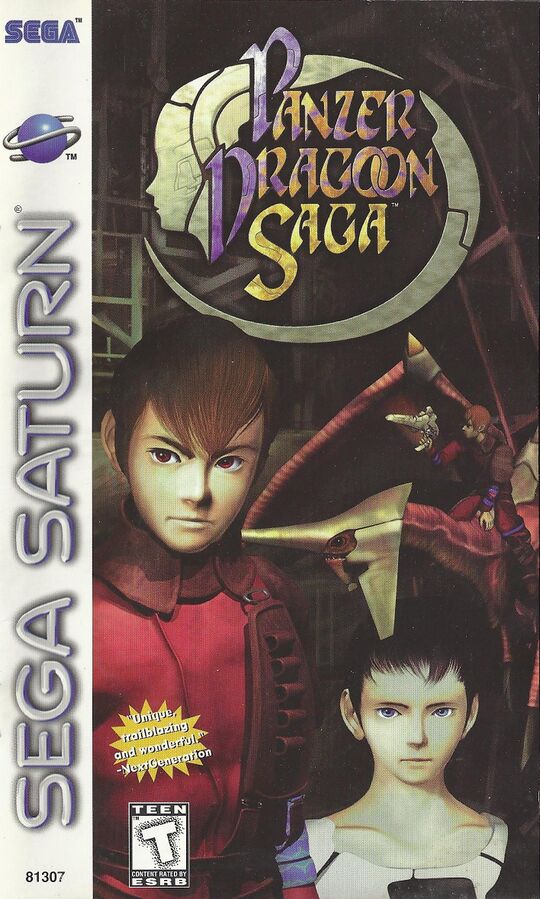
Sometimes it feels like the only conversation around Panzer Dragoon Saga these days is related to its price. This is unfortunate because it’s a fascinating, flawed, ambitious, innovative RPG that will live in a weird space between ignored and mythical. As I mentioned in my blurb about the original Panzer Dragoon (number 32 on this list), the world of Panzer Dragoon is incredibly compelling, and this is the game where you can explore it the most. The turn-based combat is active and engaging due to the focus on positioning. PDS’ presentation is pure artistry; the only thing holding it back is the Saturn hardware and the game’s ambition, which leads to jarring pop-in within otherwise sparse environments that affects your sense of place and direction.
20. Cyber Troopers Virtual-On (Model 2 / AM3 / 1996)

An arena fighter with unique mech designs, stunning art direction, and a banger soundtrack, Virtual-On could get by on presentation alone. But it also sports a brilliant twin stick control method which leads to precise and intuitive navigation during battles. Finding one of these machines in the wild remains just about the most exciting thing that can happen; I haven’t passed up the opportunity to play a cabinet for the last 30 years.
19. Skies of Arcadia (Dreamcast / Overworks / 2000)

No RPG captures the feeling of adventure like Skies of Arcadia. Far from the existential meanderings of RPGs on the PS1 at the time (which I also love), SoA is about traveling with your friends and beating the bad guys to save the world. This may sound reductive, but the way Skies pulls it off is high art. Everything from the colors to the writing to the airships work in tandem to capture that adventure feeling. A game that desperately needs a modern re-release (ideally with the option to speed up battles a bit).
18. Sonic the Hedgehog 2 (Genesis / Sonic Team, Sega Technical Institute / 1992)
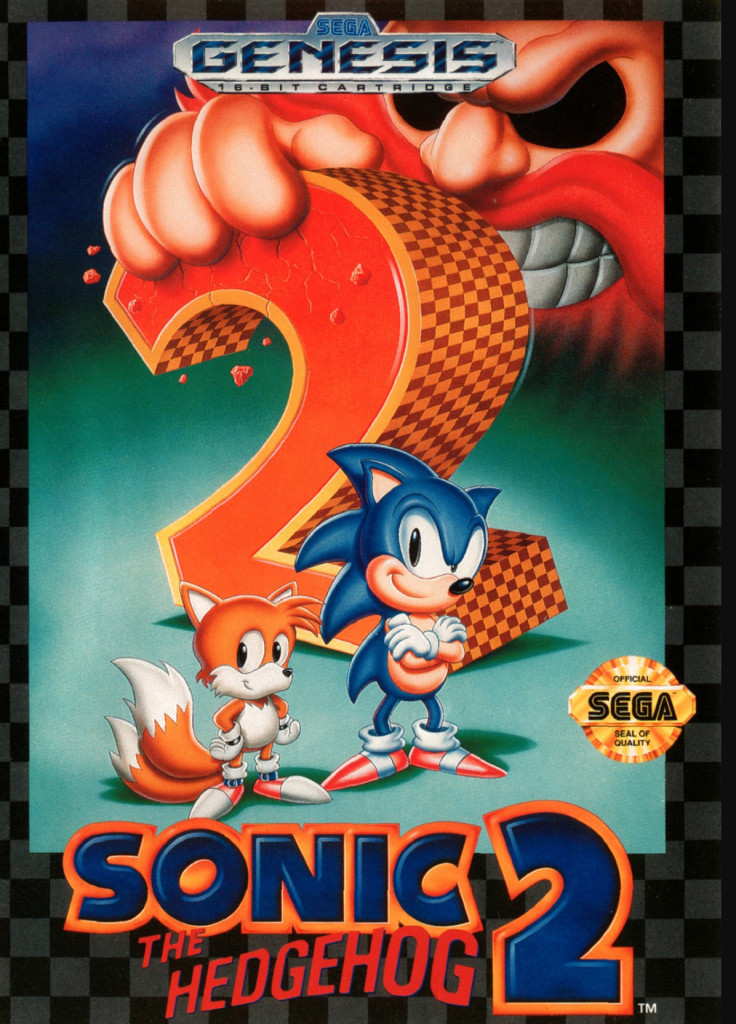
The first time I was aware that video games (sometimes) had release dates, “Sonic 2sday” felt like an event on the level of the moon landing. Sadly, I had to watch from afar, because I didn’t have a Genesis yet (more on that to come). When I did finally get the game, it was a worthy follow up to the original, with brilliant stage designs and the coolest final boss ever in a platformer.
17. Shenmue 2 (Dreamcast / AM2 / 2001)
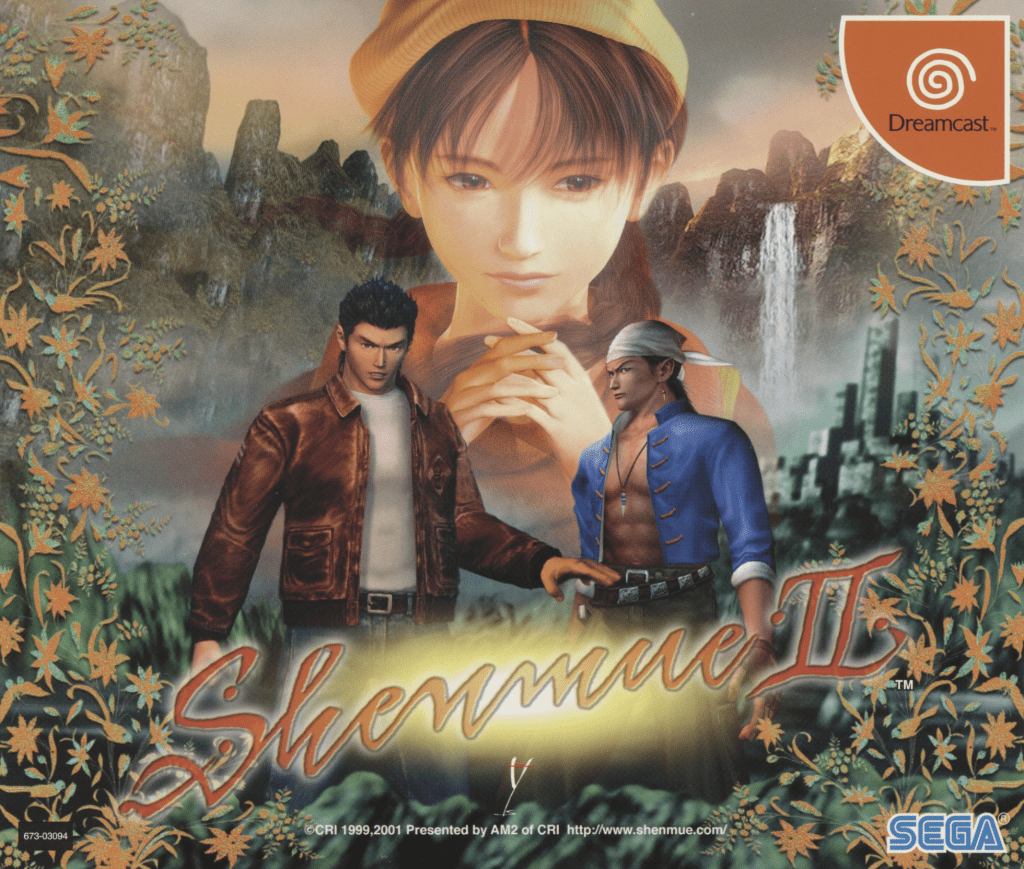
Shenmue II continues Ryo’s journey of revenge in a much bigger and a bit more “gamey” sequel. While the scope of the game and story goes beyond that of the original, I still prefer the setting and slower pace of the first game. Still, Shenmue II remains an incredible achievement.
16. Streets of Rage 2 (Genesis / CS2, Ancient / 1992)

My favorite brawler ever made, and one of my favorite video game soundtracks of all time. Everything I said about the original Streets of Rage (number 46 on this list) is doubly true about the sequel.
15. Sonic the Hedgehog (Genesis / Sonic Team / 1991)
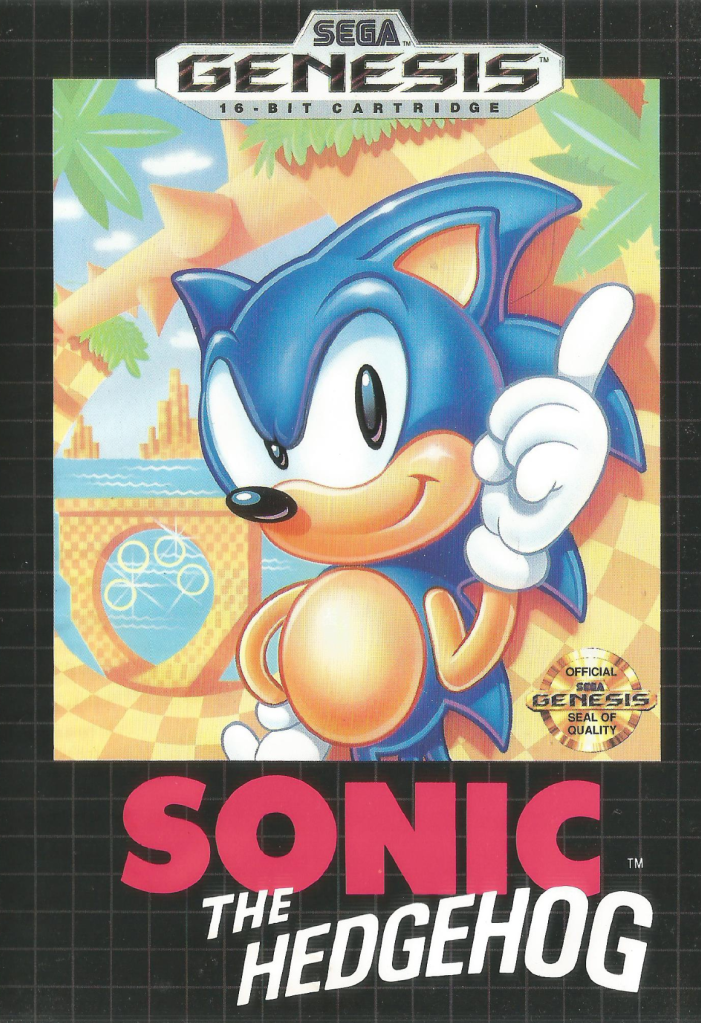
The first video game system I ever bought with my own money was the Sonic Genesis bundle. I had it on layaway for what seemed like an eternity, but when I finally brought it home, it felt like I had the future in my house, mostly because of Sonic. A technical marvel that raised the bar for visual fidelity and speed on consoles, Sonic 1 also served as a proper introduction to one of the most iconic video game characters ever. Still a blast (processing) to play today.
14. Shining Force (Genesis / Climax, Sonic Software Planning / 1992)
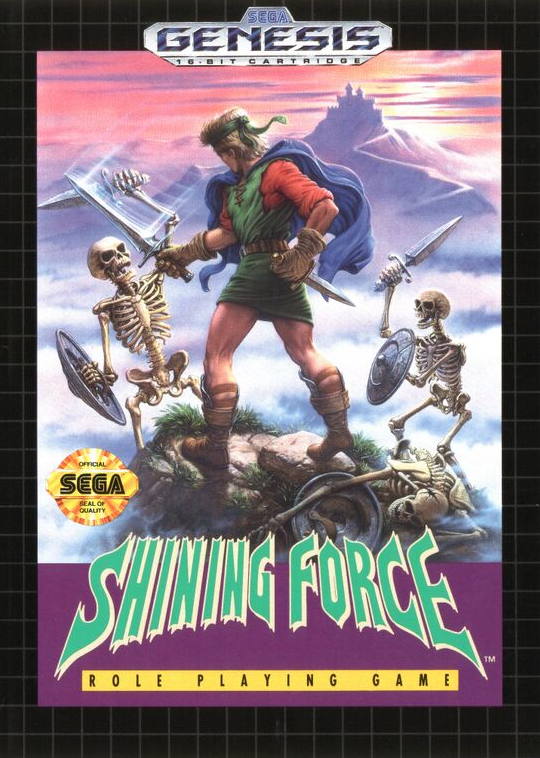
My first strategy RPG and the game that made me fall in love with the genre. Shining Force took the Dragon Quest approach of making an oftentimes obtuse and punishing genre much more approachable, and did it with gorgeous presentation. Later games in the series would expand in length and scope, but the leanness of the original works in its favor, as it’s the one I go back to the most.
13. After Burner Climax (Lindbergh / AM2 / 2006)
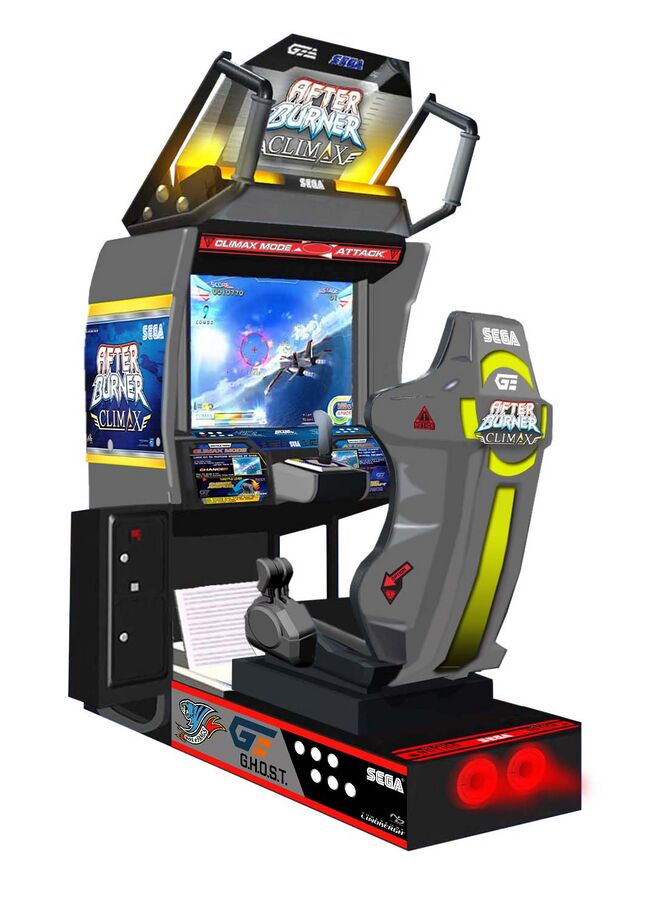
The most fully realized vision of the aerial cockpit shooters that Sega had been making for decades, Climax still looks, sounds, and plays great today. It’s unfortunately tricky to play today because cabinets are limited, and the PSN/XBL version has long been delisted. A shame, because the game is a masterpiece.
12. Virtua Fighter 4 (Naomi 2 / AM2 / 2001)
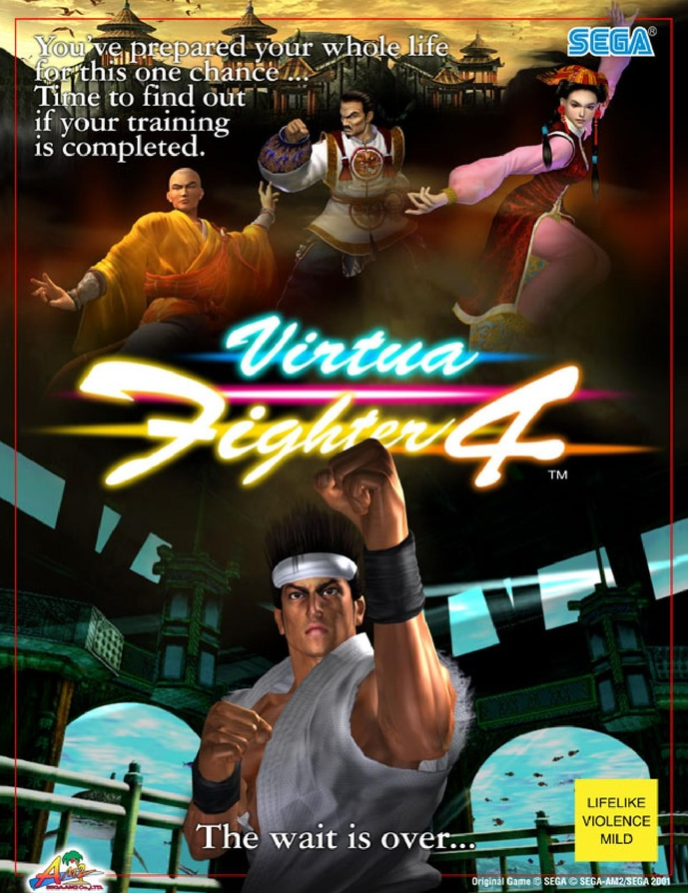
After the somewhat disappointing (but still good!) VF3, I wondered if Virtua Fighter was still among my top fighting game series. Well, Virtua Fighter 4 was the game that solidified the series as my number one, where it hasn’t moved from since. VF4 provided a massive technical leap from 3, which was apparent everywhere from detail to animation. There’s a level of quality and cohesiveness that permeate every aspect of the game, from mechanics to presentation that raised the bar for the series and the genre. This would be the final Virtua Fighter that Yu Suzuki would be involved with, but thankfully he left the series in an extremely good place.
11. Phantasy Star (Master System / R&D2 / 1987)
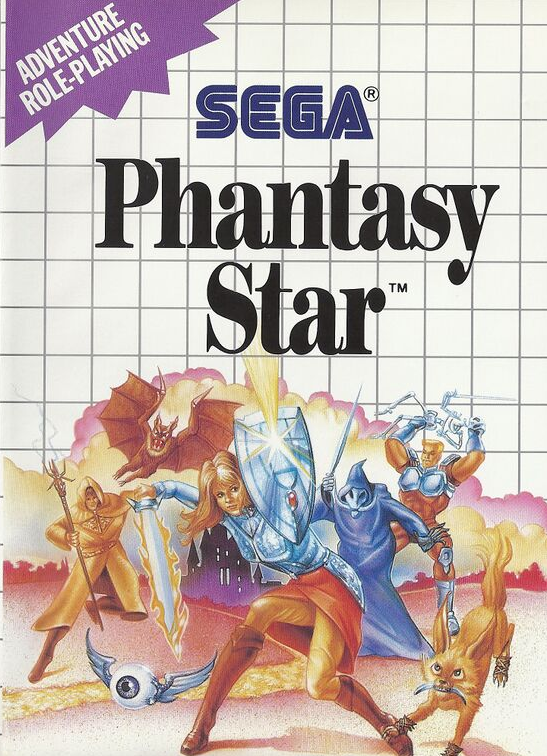
A game I love so much that I wrote a zine about it. In my opinion, this is easily the greatest 8-bit RPG ever made. The (mind-blowing at the time) dungeons can be a bit inscrutable at times so bring some graph paper (or play the Switch version by M2, which includes automapping). Once you get past that hurdle, you can enjoy an epic, planet-spanning sci-fi adventure that’s groundbreaking in everything from tech to its female protagonist.
10. Rez (Dreamcast / United Game Artists / 2001)
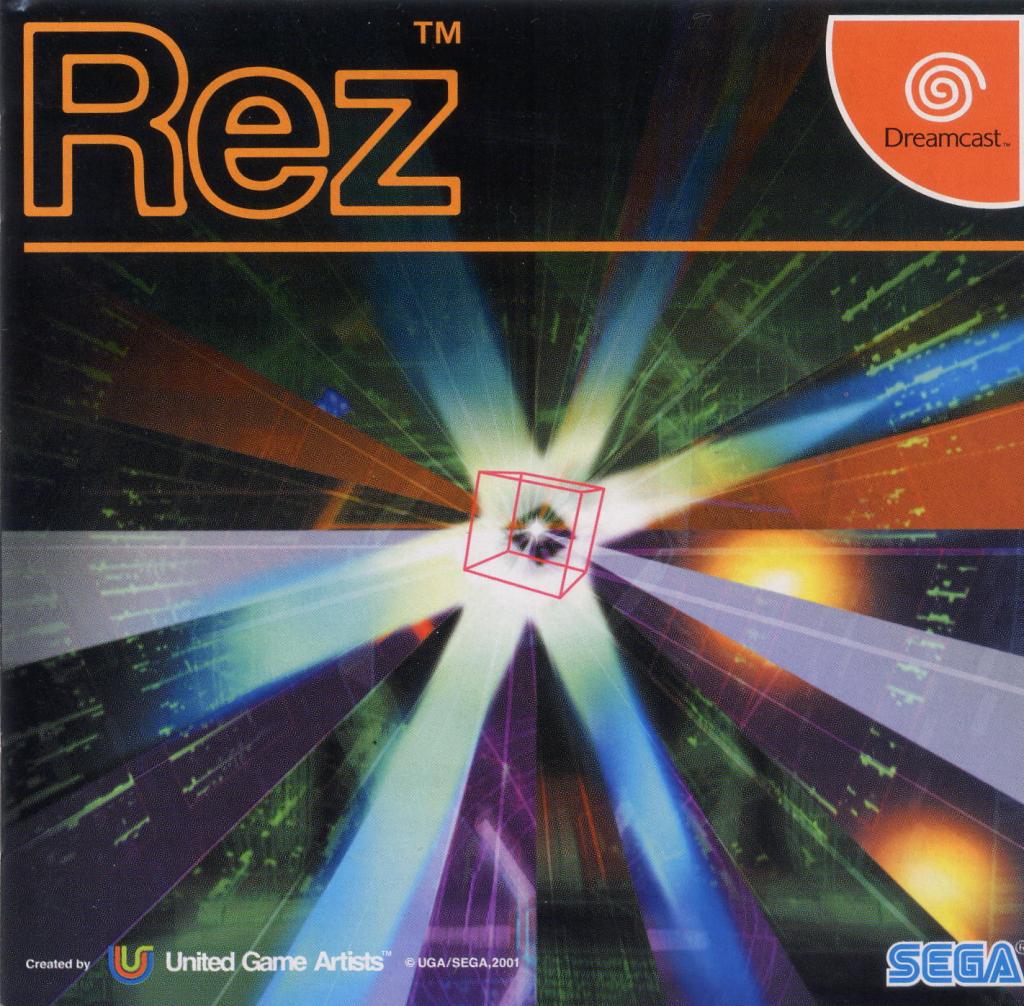
Cool Sega doesn’t get any cooler than this. Who knew that a rail shooter could become a transcendental experience? Tetsuya Mizuguchi knew. Rez combines music, movement, and combat in a way that no other game has before or since. Mizuguchi’s vision would be fully realized with the VR version of Rez years later, but this is still a great way to see where it all began.
9. Phantasy Star II (Genesis / R&D2 / 1989)
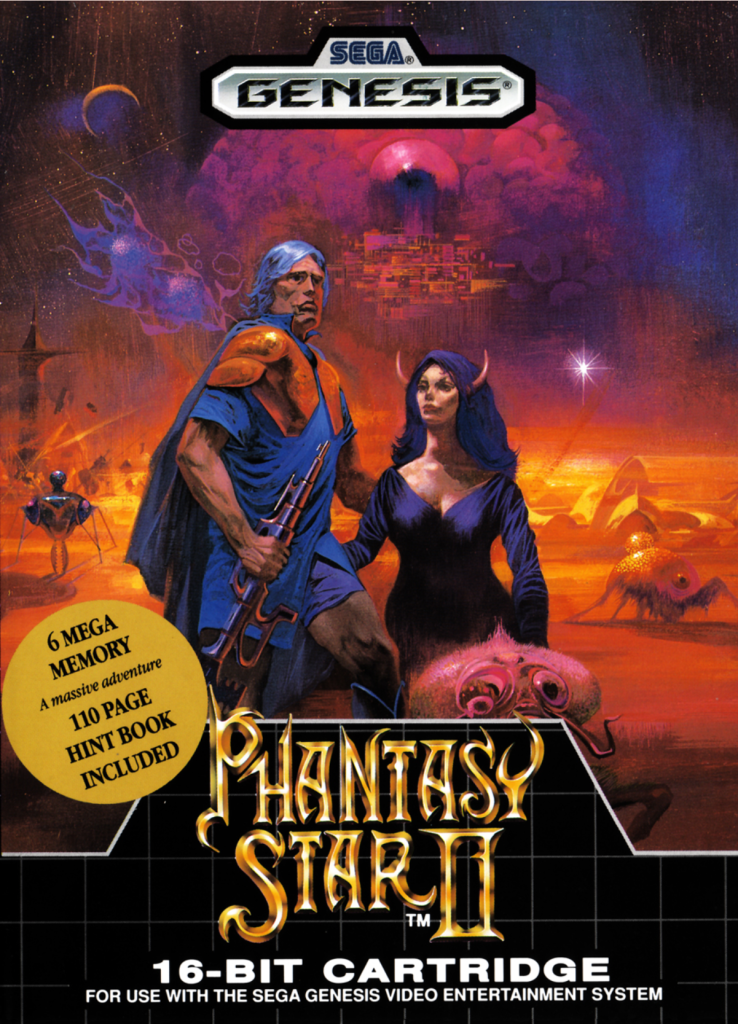
Another game that I wrote a zine about, Phantasy Star II was as ahead of its time as its predecessor, mostly in terms of narrative. There was nothing else on consoles telling a story this dark and thematically rich at the time. It’s groundbreaking in many ways, though the game’s sometimes stilted and confusing localization doesn’t always do it justice. This is also a slow and difficult game, some of which can be mitigated by playing official re-releases like the Japanese Sega Ages Phantasy Star Collection on PS2 or the tweaked version on the Mega Drive Mini 2.
8. OutRun (OutRun Hardware / R&D1 / 1986)
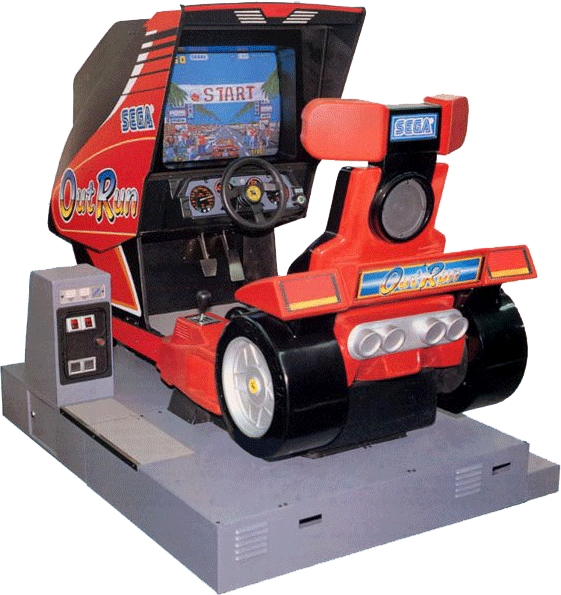
Nothing, just Yu Suzuki creating another new genre. This time, we move past racing games to the first “driving game.” While it may seem silly on the surface, the distinction is important. OutRun feels different than any racing game before it. There’s no ideal racing line, no need to aggressively pass other vehicles on the road, just choose your path and go for as long as you can. This chill approach permeates every aspect of the game, from the soundtrack to the look and feel of your car (and your girlfriend in the passenger seat). OutRun’s influence is still felt today, from driving around flipping through radio stations in Grand Theft Auto, or exploring the map in Forza Horizon. Still no game does driving better than OutRun. Well, maybe one game, but we’ll get to that later…
7. Sonic the Hedgehog 3 & Knuckles (Genesis / Sonic Team, Sega Technical Institute / 1994)
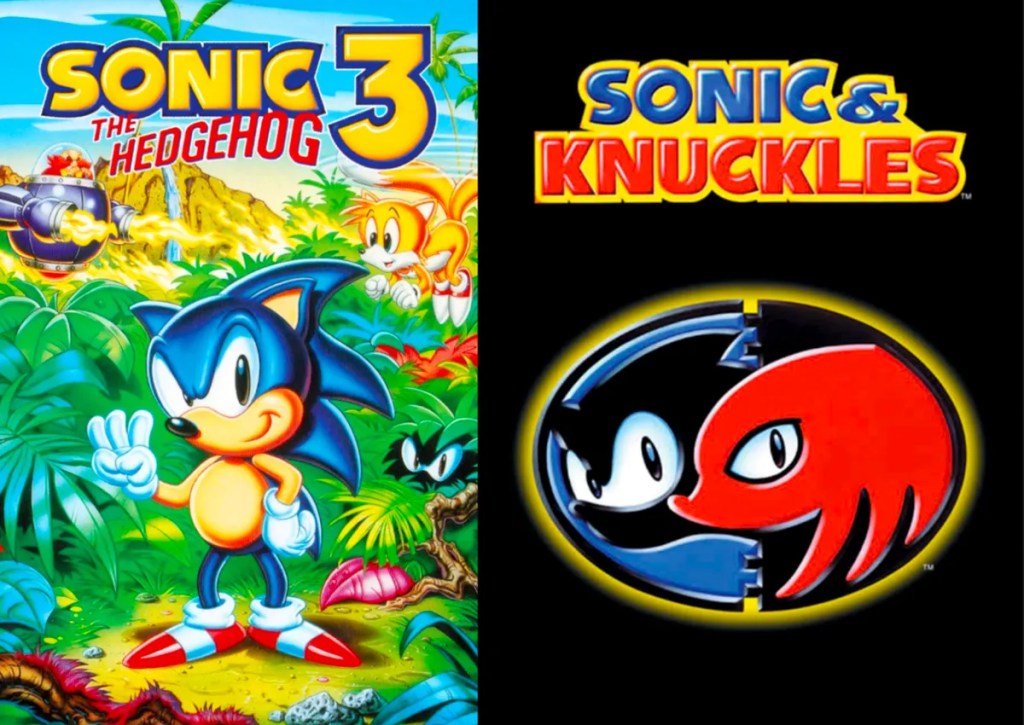
My brain tells me it’s cheating to put this as a single entry on the list, but my heart (and also another cooler part of my brain) is saying its fine, so I’m going with that. S3&K is simply the greatest collection of 2D Sonic levels ever assembled. Pretty much every 30 seconds there is some kind of new clever idea introduced and a tough-but-fair cadence keeps the experience satisfying. This is as good as Sonic platforming gets.
6. Panzer Dragoon II Zwei (Saturn / Team Andromeda, CS / 1996)

In my eyes, Zwei is the greatest rail shooter ever made, a natural conclusion to a genre Sega invented and perfected. Like the other entries in the Panzer Dragoon series mentioned in this list, there is deep lore and a well-told story. It’s a great looking game that uses all sorts of technical tricks to get the most out of the Saturn hardware. Excellent encounter design and a wealth of unlockables make Zwei eminently replayable.
5. Virtua Fighter 5 (Lindbergh / AM2 / 2006)
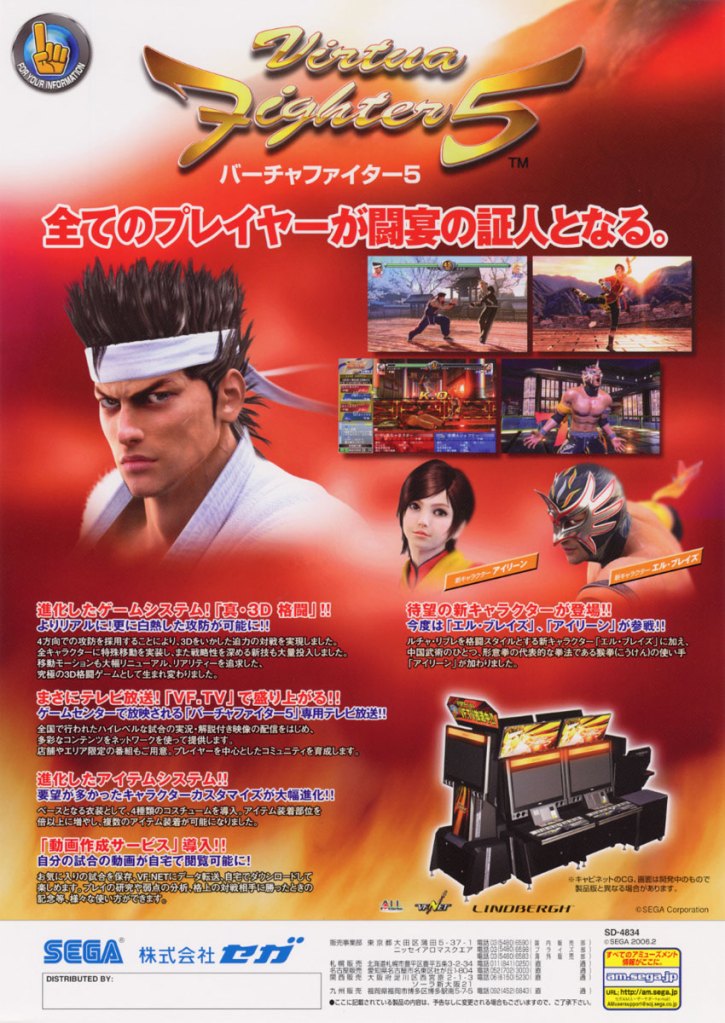
When I moved to Japan in 2007, the first thing I did once settled was find an arcade so I could play VF5. I had been playing VF4 Evolution on PS2 solo and with my buddy Chris for a few years at that point, so I adjusted to VF5 very quickly. It was the best looking video game I had ever seen at that point, and even when I’d lose, I would just sit and enjoy the visual details on the (extremely novel and impressive at the time) flat screen monitors.
I used my first paycheck in Japan to buy a PS3 and a copy of VF5. Fast forward almost 20 years later and I’m living in Denver and my buddy Chris lives in Illinois. We still play VF5 (now known as R.E.V.O. World Stage) online at least once a month. VF5 is my favorite fighting game of all time. VF5 is forever.
4. Phantasy Star Online (Dreamcast / Sonic Team / 2000)
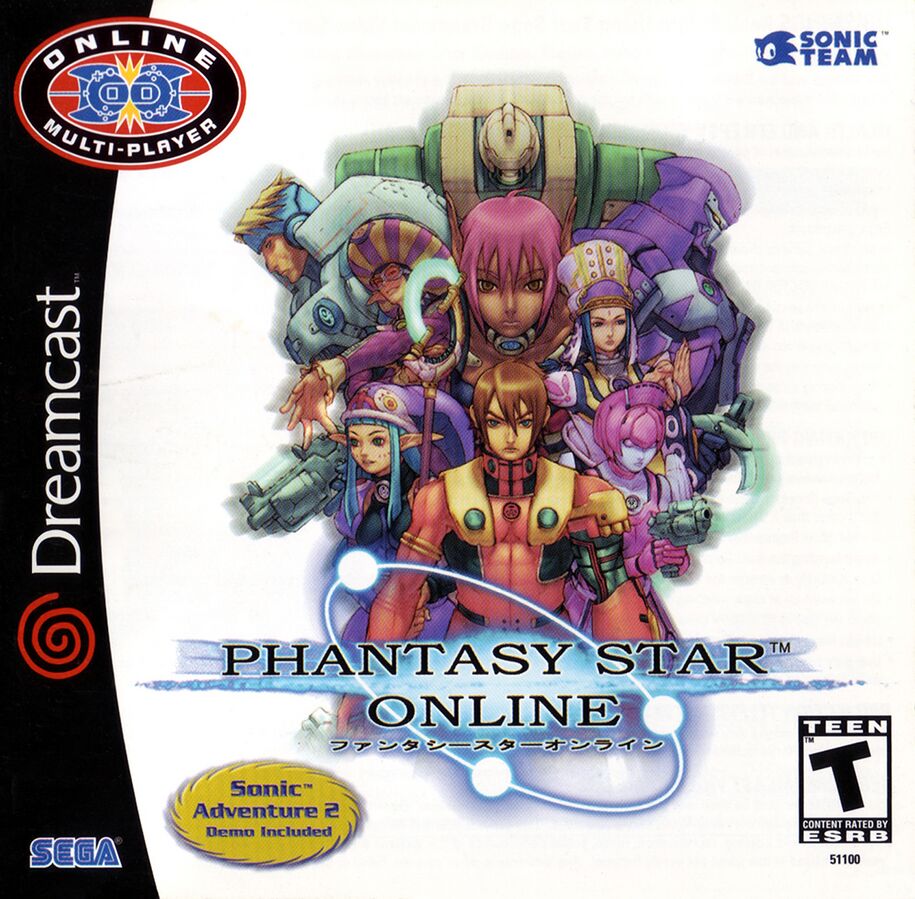
Phantasy Star Online could not have come at a more perfect time for me. I has just broken up with my high school girlfriend, was aimlessly attending community college, working part time at a video game store, and playing a lot of Diablo II and EverQuest, but getting a bit burnt out on both. Along came PSO, and within a week it was my whole world. I would bring my Dreamcast to work and play during downtime and on my breaks. I’d exchange info with customers who played, and they would be added to the rotating PSO group I had with friends. When I got home from work, well, it was PSO time until I passed out. Sometimes I even went to my college classes!
This was all very unhealthy, unsustainable, and kinda sad, but I still look back on this era with fondness. The best part of this months-long bender was that it inspired me to check out the original four Phantasy Star games and, well, I really liked them.
3. Phantasy Star IV: The End of the Millennium (Genesis / CS1, Sega RPG Production / 1993)

Rieko Kodama was an artist, designer, producer, and director at Sega, and one of the best to ever do it. She was involved with the Phantasy Star series from the very beginning, and IV was her magnum opus.
Phantasy Star IV was tasked with not only being a return to form after the divisive PS III, but to wrap up the Phantasy Star story and tie the games together. It succeeded on both fronts, while also being full of QoL improvements such as macros and the ability to save anywhere. Square’s SNES output from the era gets the most love (well-deserved!) but for my money, Phantasy Star IV is the greatest 16-bit RPG of all time.
2. Shenmue (Dreamcast / AM2 / 1999)
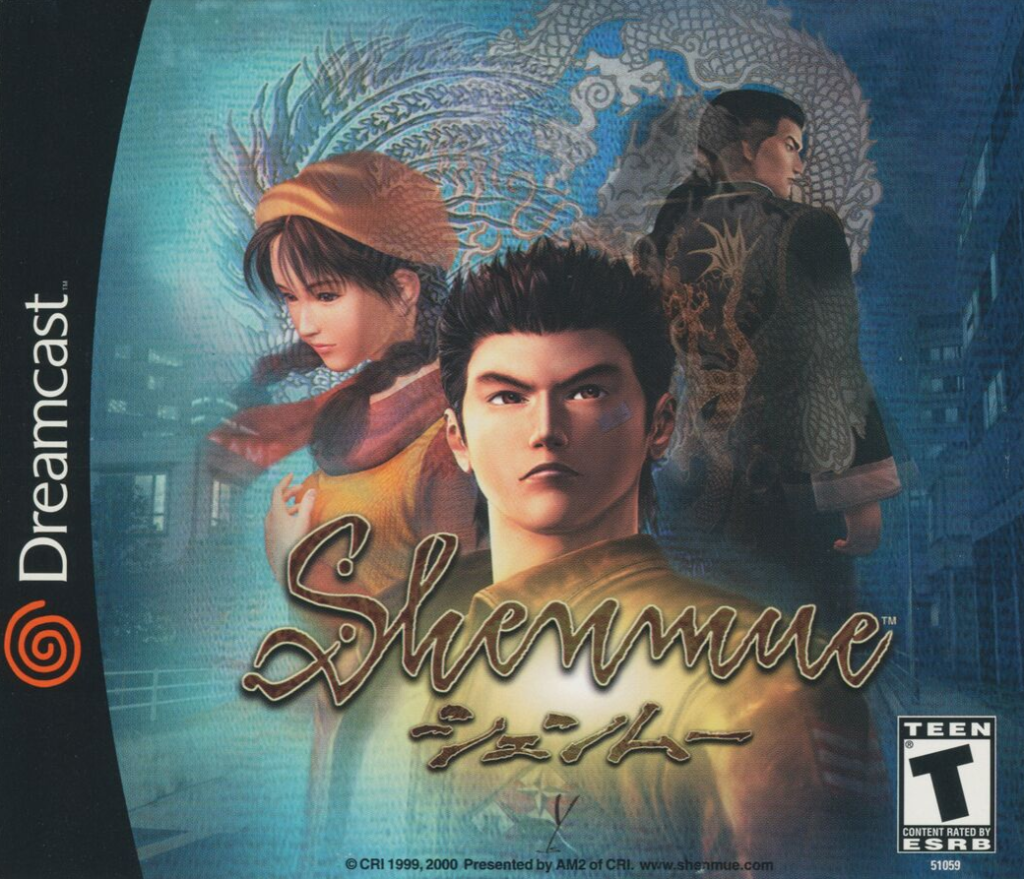
Shenmue changed my life. You know in the Virtua Fighter 5 entry (number 5 on the list) where I mention that I moved to Japan in 2007? Shenmue planted that seed. While I dug the martial arts revenge story at the game’s core, the real appeal for me was exploring Yokosuka. From the streets to the shops, I adored the version of mid-80s Japan the game presented and knew I wanted to visit the country someday. When the opportunity came along to work in Japan, I took it. What I’ve discovered over the years is that I’m not alone in this. Thank you Sega and Yu Suzuki for losing a bunch of money to improve the lives of me and my friends.
1. OutRun 2 (Chihiro / AM2 / 2003)
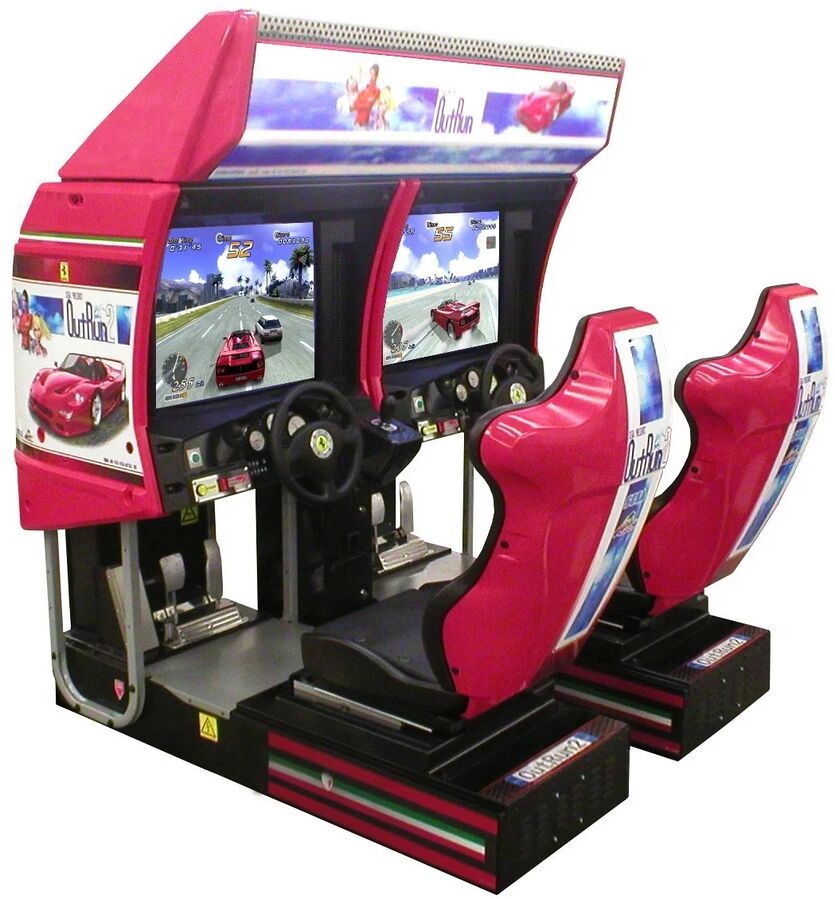
When I think about “what’s the most Sega game of all time?” the answer is OutRun 2. Blue skies, a killer soundtrack, perfect controls, and a whole lot of history make this the clear number one pick. Every single time I play this game I have a great time. I will never stop playing OutRun 2.
THE END
Game cover art photos, arcade flyers, and pictures of cabinets are all from Wikipedia, Sonic Retro, LaunchBox, or Sega Retro.

Leave a comment